

















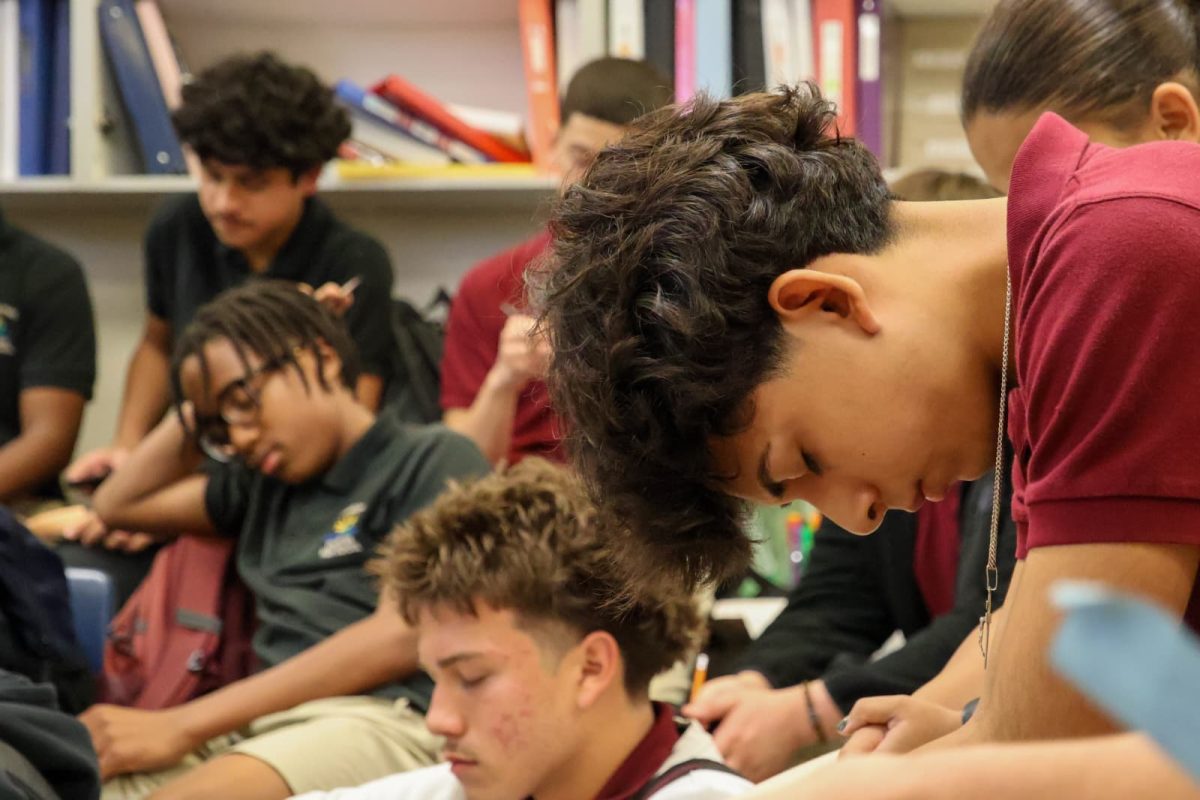

















































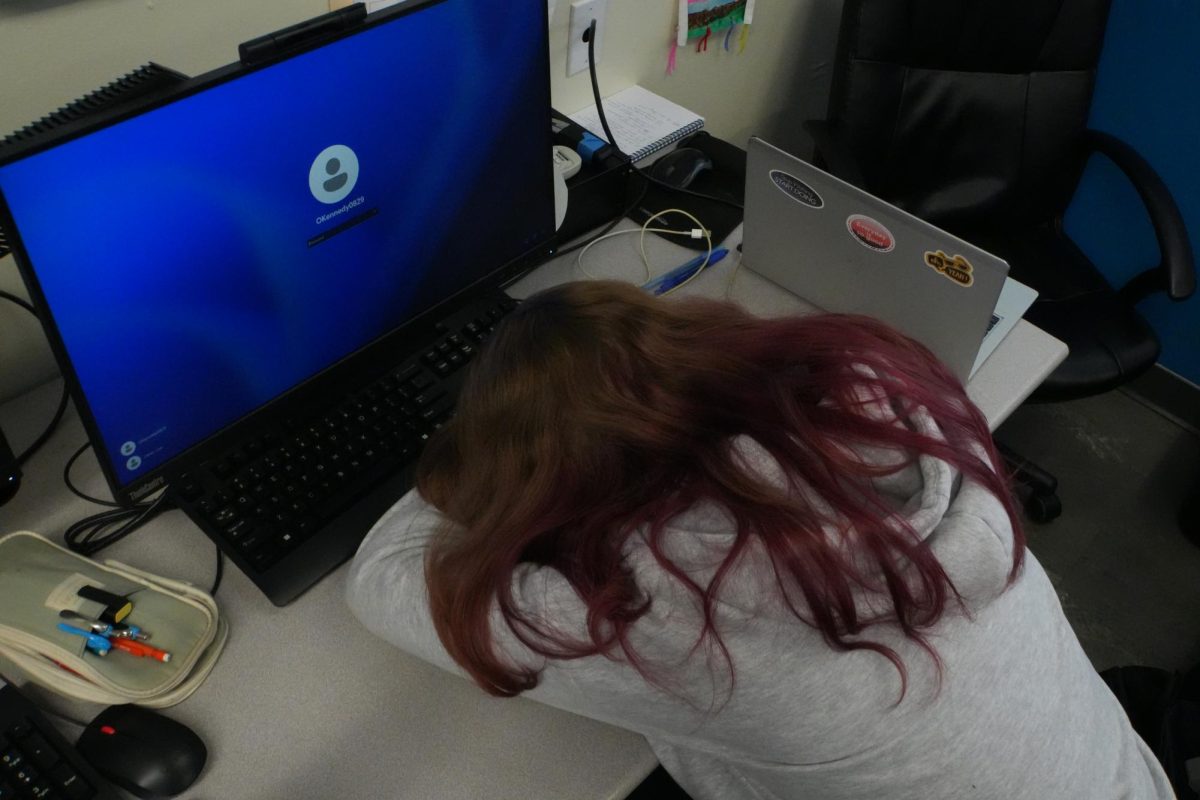
By the time the first bell rings, several students rest their heads on desks, already exhausted, before the day has truly begun. For many high school students, the school day begins before their bodies are ready, forcing them to function on limited sleep. Relying on coffee or energy drinks has become part of their routine as students stay up late studying for exams or attend rigorous extracurricular activities.
Students roam the halls, dozing off with little energy to stay alert while still being expected to understand heavy material and perform at their best, even at their lowest. Regular sleep deprivation often stems from academic pressure and extracurricular activities outside the school environment, making it difficult for students to prioritize sleep.
Only 23% of students in the U.S. obtain the recommended amount of sleep, depriving them of a proper reset and affecting how they intake information and behave, leading them to choose short-term coping mechanisms instead of solving the issue. Making a sleep schedule or planning when to make up work is essential to having a productive day.
Jibran Nasir, a sophomore, explains, “On school nights, I usually get six to eight hours of sleep because of studying and homework. On days I get less than 7 hours, I notice a mid-day crash and have a hard time focusing. I tend to overload my system with caffeine, usually a double-shot espresso, and on test days, an energy drink to keep me focused.”
Excessive amounts of caffeine have been normalized to gain more energy while lacking an appropriate amount of sleep, but may occasionally cause panic attacks and increased stress levels. Over-studying while lacking a good night’s sleep may reduce the ability to perform extracurricular tasks effectively.
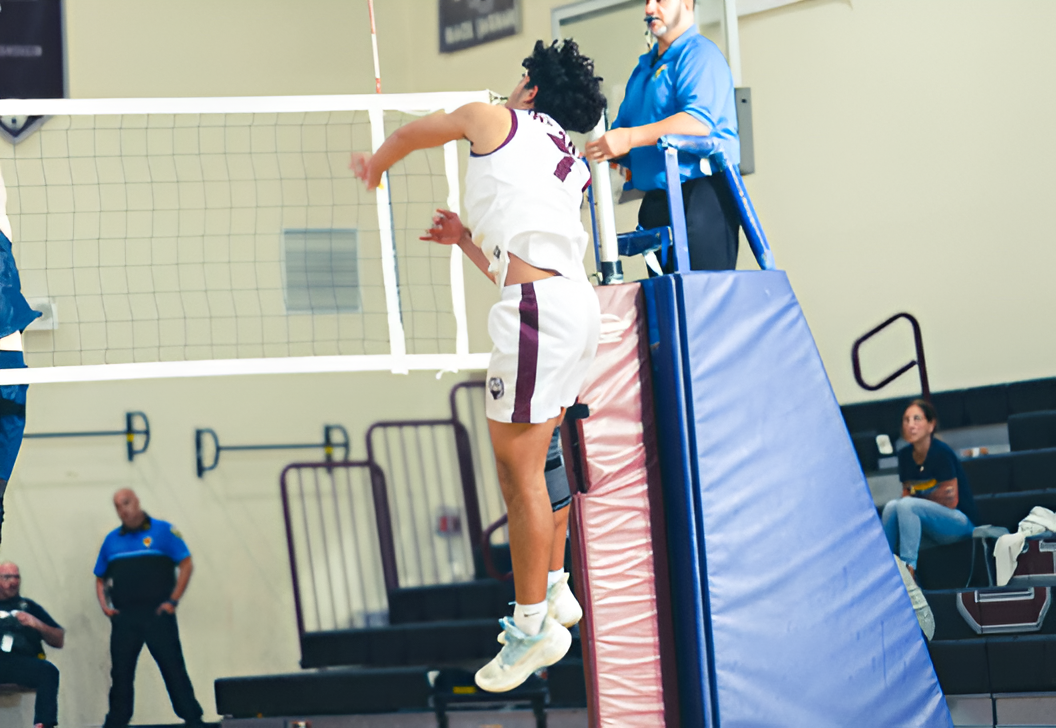
Students often lose sleep trying to fit late practices, homework, technology, and social life into one day. Devices may tempt students to stay up a little too late, leading them to be distracted and throw them off the beam. Little sleep also allows students to pay less attention in class, distracting them from the major goal.
Many students’ struggles demonstrate how homework expectations, combined with after-school activities, contribute to sleep deprivation. They sacrifice their sleep to keep up with their academic and personal goals.
Sophomore Luciana García states, “This week, I’ve been sleeping only four hours, but usually I sleep six. My phone and technology keep me up, and it makes me uninterested and unfocused in class.”
Technology often distracts students from sleep. Even when they know the negative impact, it can leave them drained the next morning.
Teachers can notice when a student dozes off into a deep sleep during a lecture. High school teachers, like AICE International History teacher John Jablonka, notice firsthand the negative effects of sleep deprivation on students.
“I notice right away when a kid is falling asleep, especially when they are slow on their reaction time or their head bopping up and down. Sleep is integral not only to academic success but also to your mental health and well-being. I think the school should have certain limits on when events end; starting events sooner might be helpful.”
Jablonka’s insight shows how not getting enough sleep affects students’ ability to focus, impacting their learning and overall well-being. Moving event times slightly earlier could give students a better chance of being well-rested for the upcoming school day and allow more time for them to focus on schoolwork.
AICE English Language teacher Bianca Carbone explains, “When you try to direct students who are sleeping in class and encourage them to wake up, they tend to lash out or want to go to the bathroom 50 times. Maybe being more considerate of students’ lives outside of school, giving less work and encouraging them to do work in class rather than at home, helps them get more sleep.”
Teachers’ recommendations shouldn’t be taken lightly and should be followed through by students. Teachers expect the best from their students, but also want them to be their best selves to ensure their classes run smoothly.
Adina Rechtman, a junior who attends Cooper City High School, states, “I sleep about six hours every night, usually because of school. Getting so little sleep makes me pay less attention in school and not reach my full potential. I make sure to stay as occupied as I can so I don’t fall asleep in class.”
Strategies from students at other schools highlight a common pattern among students: instead of addressing sleep deprivation, they resort to other tactics to stay awake. While these coping mechanisms help in the short term, they cause students to rely on these strategies to stay awake.
Maite Hernandez, an English Cambridge seventh-grade teacher and mother to a high school student, explains, “My child usually gets six to seven hours of sleep per night. I notice a negative mood, reduced focus, and some stress when sleep decreases. Homework and projects that are procrastinated make it harder to get enough rest. I try to help by not pressuring too many activities and reemphasizing the importance of sleep. Ultimately, students are accountable for their sleep, but homework should always have value.”
Chronic sleep deprivation leaves students struggling to stay awake, affecting their mental health and ability to focus on school. The first step to solving students’ deprivation is accepting that short-term solutions aren’t capable of rebooting energy and may cause problems in the long run. Instead, students and teachers should work together to reenergize and motivate students to create a productive lifestyle.