






































































Recent conflicts between the USA and Iran have caused gas prices to rise dramatically across America, with states like Florida seeing increases of over a dollar a gallon. This has caused major backlash from citizens online, with platforms like TikTok and Instagram being home to tens of thousands of rants.
“It’s actually ridiculous,” comments junior Laura Cervantes. “My tank is usually only $40; tell me why it’s $60 now.”
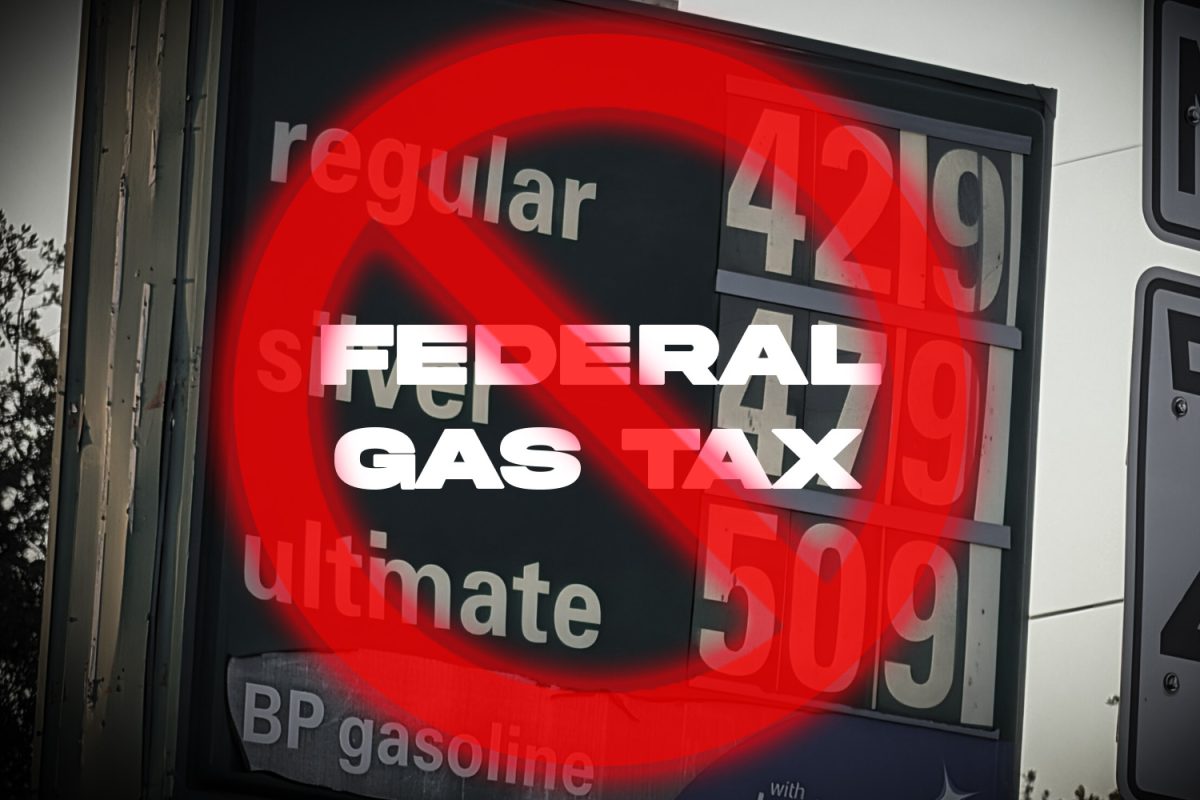
In response, President Donald Trump has openly stated that he considered suspending the federal gas tax. However, he recommends states suspend their tax at this current moment, as a nationwide policy change is something that he wants to do only if he “thinks it’s necessary.”
The policy itself would take some time to go through, as Congress would have to pass the bill along with the President, so it isn’t entirely up to Trump. However, since both the Senate and House are majority Republican, Trump’s support would likely fast-track it to passing.
“While I hope that he passes the bill, I also think it’s too little too late,” says junior Annyan Franck. “30 cents off is nice, but it’s as big of a deal as he is making it out to be.”
Aside from this, the government is already taking action to try and lower fuel prices through other avenues; the EPA is temporarily loosening its restrictions on gas quality, including blending limitations and waiving low-volatility summer requirements.
These actions would naturally increase how much fuel gas stations around the country could buy, with over half of the United States not being able to purchase lower-quality E15, or gas with an ethanol content of 9-15 percent.
In addition, the President has agreed to release 172 million barrels of oil from the Strategic Petroleum Reserve (SPR), with the International Energy Agency releasing 400 million in total. While no solid figure for how much relief this has caused is available, it can be assumed that this release has positively impacted fuel prices and will continue to do so over the next 100 days.
Moreover, Trump has also promised that the Development Finance Corporation (DFC) will insure ships in the Persian Gulf, allowing for safer travel close to the Middle East. These ships would bring much-needed crude oil into the United States, which may even revert gas prices to pre-conflict numbers.
It is clear that all levels of government are trying to lower gas prices and benefit the millions of citizens who may just be trying to get to work. If the president continues to try his best to cut down on fuel, then the war with Iran may not be so harsh on Americans at home.