
















































Soccer is a big part of culture around the world; its impact on society varies widely across countries. Being born and raised here in the United States, I only really knew the NBA and the NFL, for being a fan of the Heat and Dolphins is part of our heritage here in Miami. Although fan culture for American sports here is strong, I had no idea just how much passion and enthusiasm the rest of the world and immigrants here had for another sport — soccer.
Watching soccer on TV was fun, but when I became a regular viewer of FC Barcelona and Inter Miami CF, I knew I needed to experience it for myself. In the summer of 2023, I had the opportunity to visit Barcelona, Spain, and see FC Barcelona’s museum and stadium in a bare-bones state, which had just been knocked down.
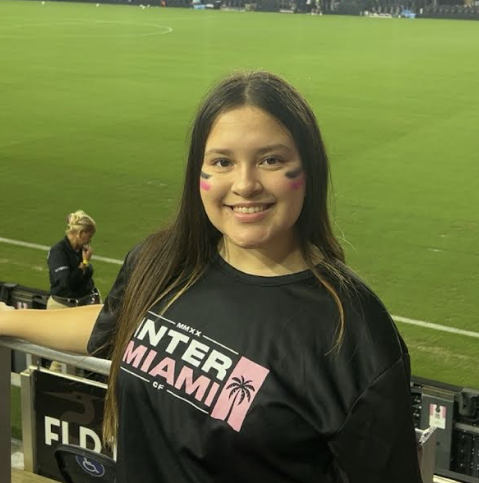
I realized my true love for the sport and how much emotion and storytelling are a part of the game. Then, in 2025, I attended my first-ever soccer match—Inter Miami CF vs. New York City FC—at Chase Stadium in Fort Lauderdale, and one thing I did not expect was how energetic and supportive the fellow fans were.
Most high-end soccer teams have a group of dedicated, loyal fans that make large-scale banners for games (tifos), play musical instruments, and chant throughout the whole game. These are called supporter groups, and Inter Miami’s supporter group, La Familia, was in the section next to mine.
La Familia is mostly composed of Hispanic fans, specifically Argentinians. Their passion for the game is very apparent; they were loud, energetic, and supportive. Some members wave flags all game, play drums, or even blow fake referee whistles. This kind of passion, I realized, was something I had not experienced while at American sports events.
I am also Hispanic myself, and I really appreciated the fact that Inter Miami celebrates and allows Latino culture to thrive within the stadium and be part of the club’s identity. My feelings have been corroborated through published findings. It’s been shown that the emotional engagement of following a soccer team can enhance brain function.
Soccer is a sport of analytics just as much as it is artistry. Learning teams, players, statistics, and positions as a fan has actually improved my memorization.
When I began high school, I felt as if my long-term and short-term memories were on a decline. However, when I became really involved in the numbers and data behind the game, my test grades actually improved. My need to study for long hours has decreased, and I find smaller details easier to recall.
On the days on which one of my favorite teams is playing, I make it a point to quickly and
efficiently do my homework. I’ve learned that following sports and their analytics has improved some of my cognitive functions and increased my ability to think on the spot.
All in all, watching soccer has transformed my life for the better. The emotional aspect of loving your team(s) and the analytical aspect of understanding statistics and lineups create a beneficial synergy that I believe most people need in their lives. Readers, attend a top-level soccer match at least once. The experience will be cherished for years to come.