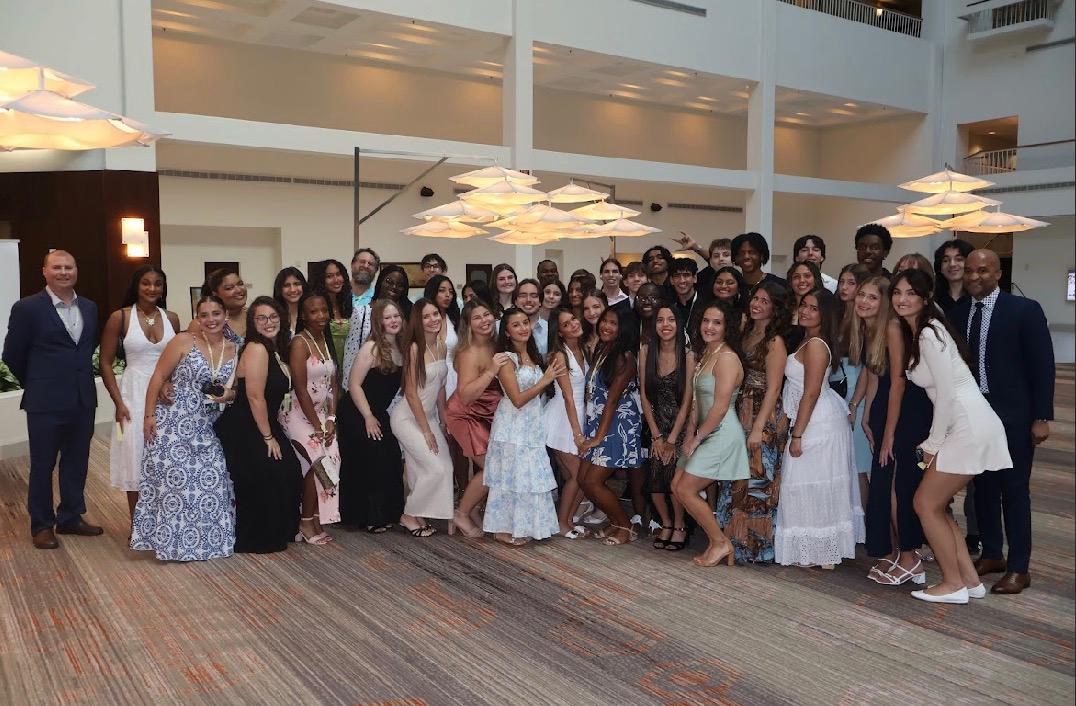










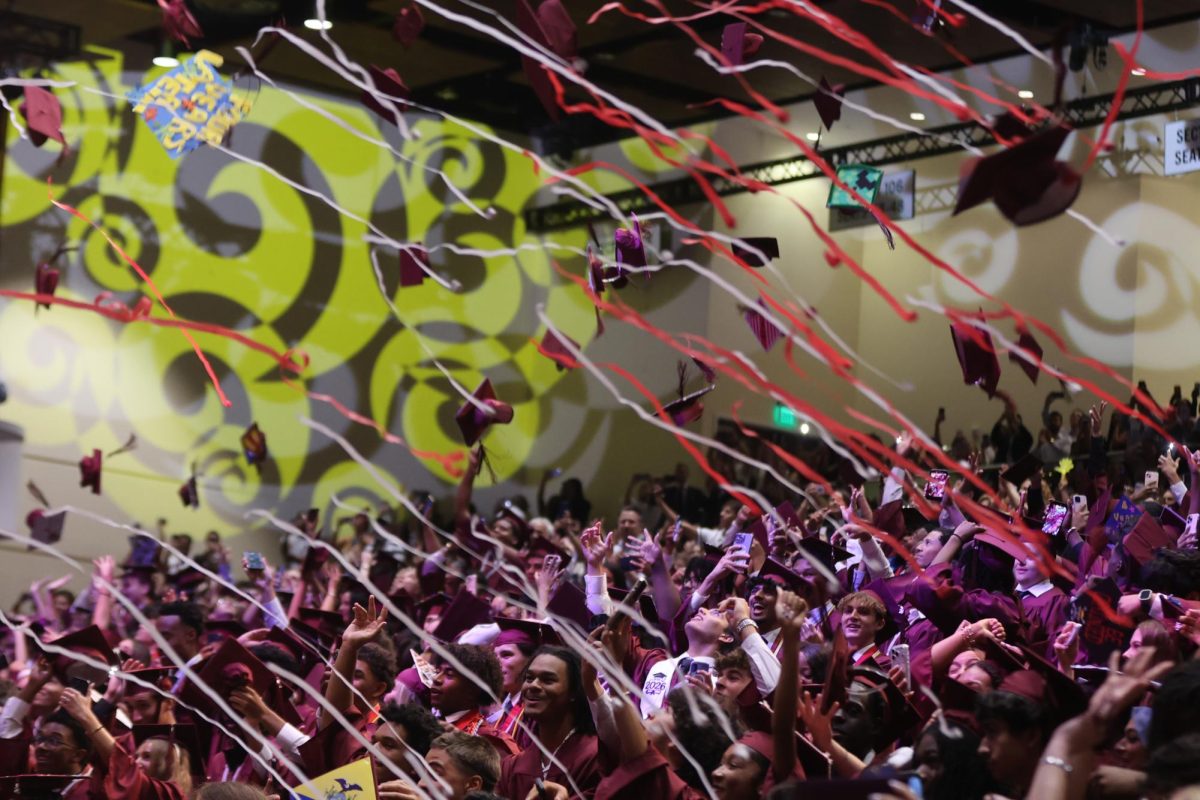







































Graduation rates across the United States and Florida have recently peaked, allowing an increasing number of students to get the opportunity to walk the stage. However, with caps on heads and diplomas in hand, many students are still missing out on a multitude of academic opportunities.
Although Broward County Public Schools’ (BCPS) average graduation rate reached an all-time high at 91.4 percent in 2025, data results from the National Assessment of Education Progress (NAEP) show that 12-grade math and reading skills are increasingly reaching an all-time low.
Results from the NAEP’s assessments display that as of 2024, only 33% of seniors were prepared to take college-level math courses, along with only 35% for college-level reading courses. Additionally, testing results in both collective courses showed the largest percentage ever to score below the basic reading and math requirements for the NAEP.
This lack of student achievement originates from a multitude of factors; however, for many, it particularly roots from a lack of interest. Thousands of students every year are forced to take classes with concepts they simply can not grasp, as well as learn skills that are not applicable to the real world. This creates a feeling of disdain toward the subject, with many refusing to expend more effort toward it.
“For most students, regardless of grade level, maintaining a good GPA and making it to graduation matter more than the understanding of classes we will not need past high school,” Senior Lauren Pfeiffer expresses.
Ever since Covid-19 struck the world in March of 2020, the pandemic and online classroom environment have created a greater disconnect between passing through temporary memorization and studying material with the purpose of learning.
In addition to this, the pandemic created easier access and closer proximity to cheating than ever before. This lack of effort from students carried into the years following, causing many schools to prioritize passing over mastery of courses and subjects through programs offered to students, such as credit recovery.
“Most teachers’ main priority as their students are graduating is to make sure they pass their class, making the standards to pass lower,” remarks Pfeiffer. “Seniors aren’t learning actual material anymore; now they’re just doing empty work for grades to be eligible to graduate.”
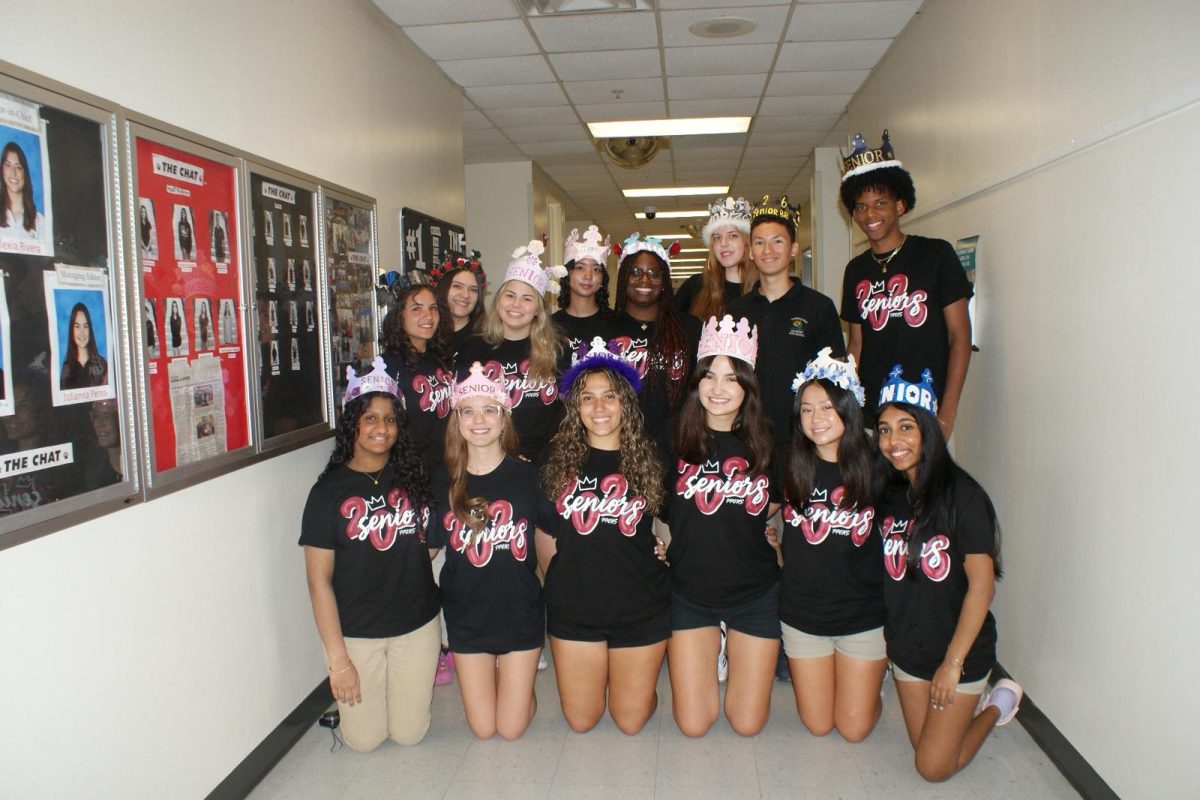
While the majority of factors creating a decline in student achievement are academically related, others stem from social factors. For many seniors, their lack of achievement comes down to “senioritis.” Described as an extreme decline in focus, motivation, and academic effort nearing the end of high school, this causes many students to have increased absences, declining grades, and missed assignments.
With many seniors applying and getting accepted into colleges in the beginning of senior year, they do not feel the need to put effort into their academics afterward. After three years of hard work during their high school experience, many students believe it is justified to live their last year of high school to the fullest before officially becoming adults.
“When it comes to being a senior, a lot of students just ride through the rest of high school rather than putting in the work to be more active and involved in school-related and academic activities. Most students want to spend more time with their friends and prioritize having a good senior year,” Junior Nathaniel Miller comments.