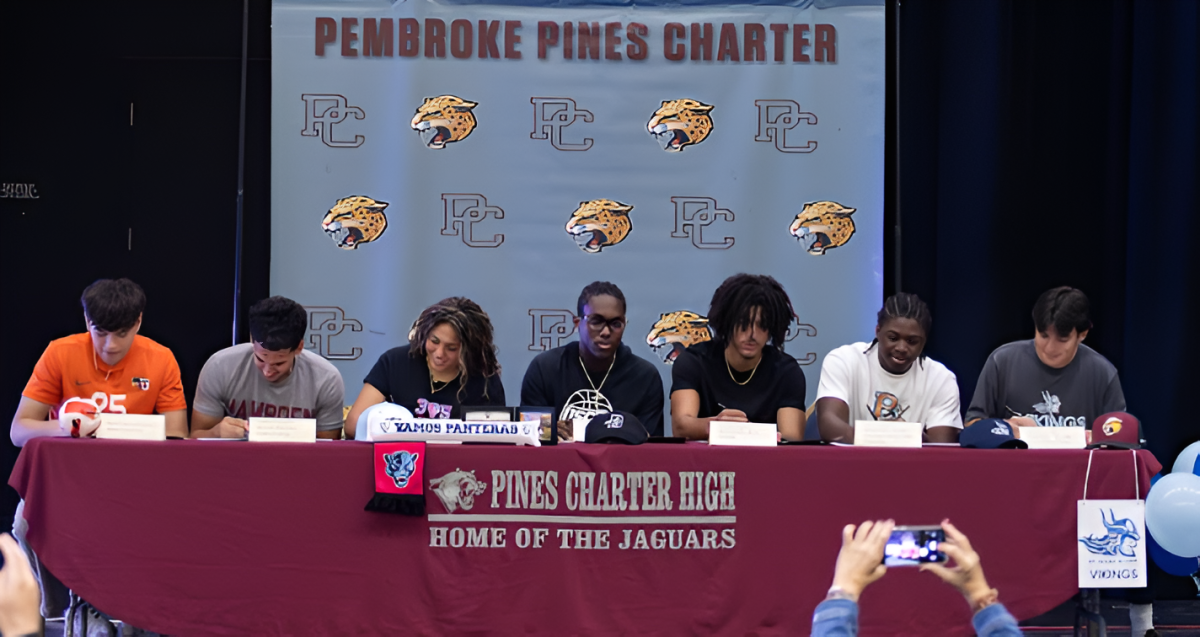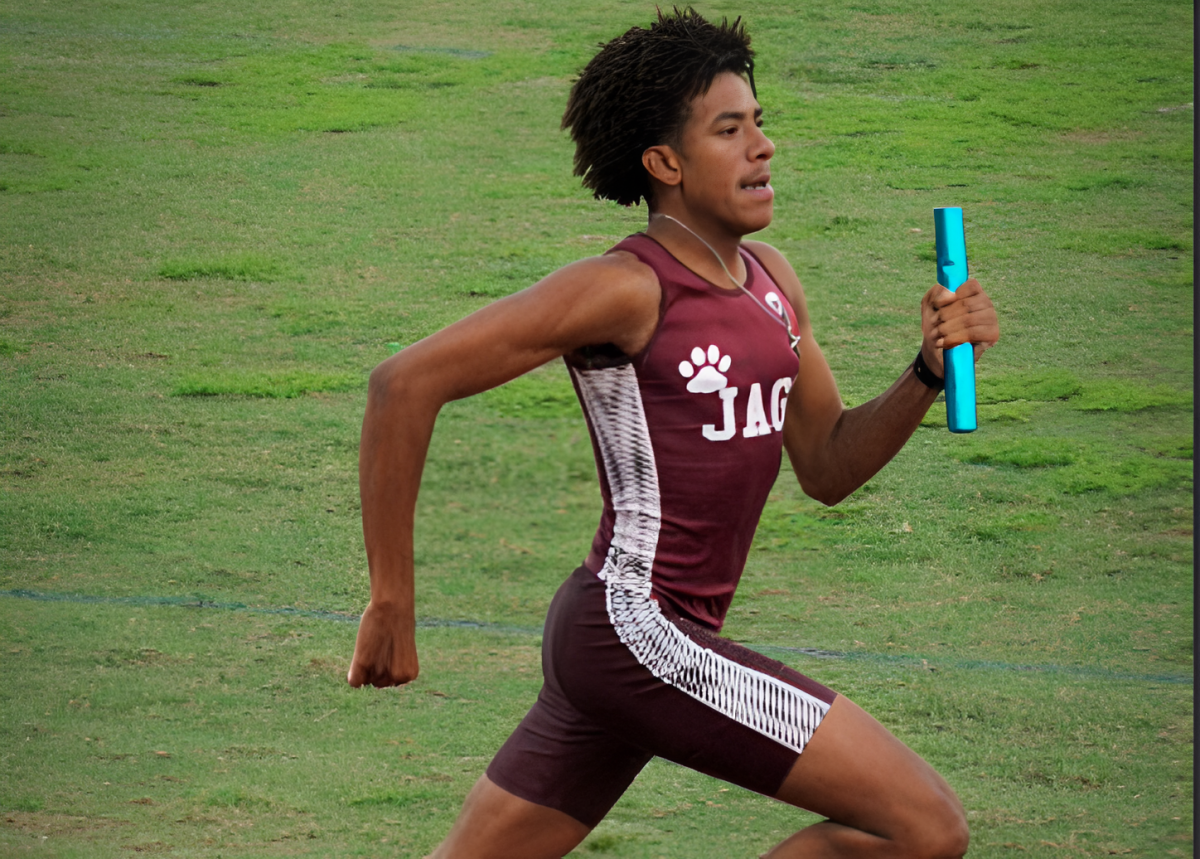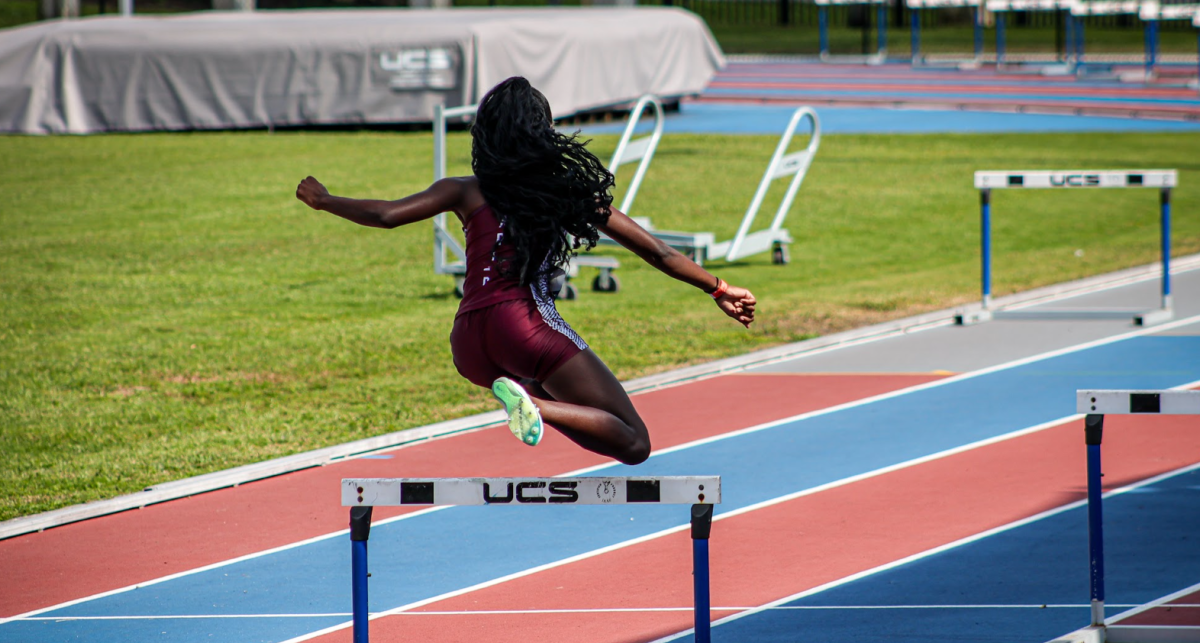


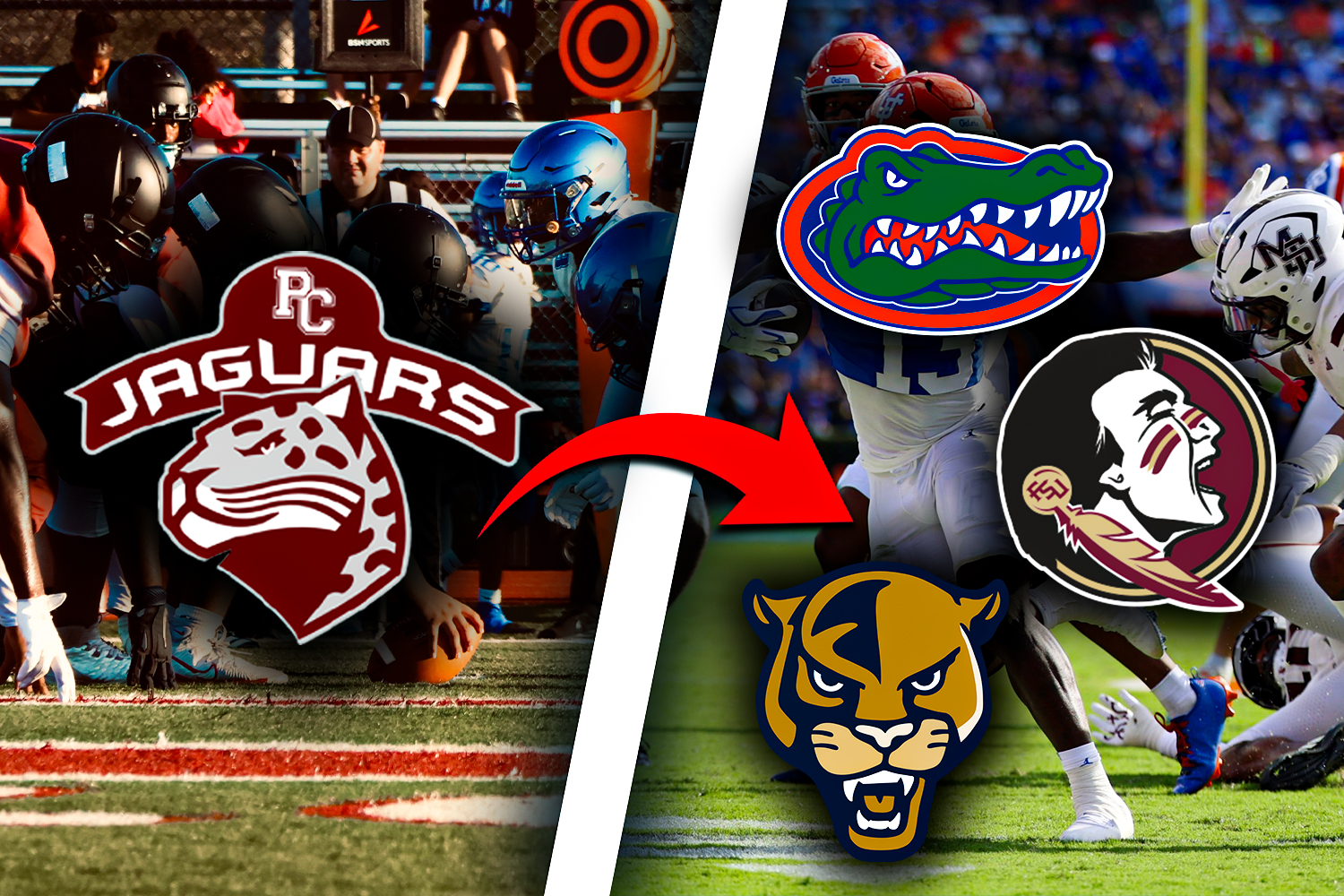
At 12 am on August 1st of an athlete’s junior year, they scramble to their phone and emails, waiting for calls and messages. These are not any ordinary emails, calls, and messages; they are from their dream colleges and universities. Officially, athletes are allowed to receive official offers and take official visits to Division I colleges and universities that are attempting to recruit them.
Approximately eight million student athletes compete in high school sports each year. Yet, only 6 out of every 100 athletes get recruited to play at the collegiate level. All of these athletes undergo a process known as recruiting.
To many, this process may be a tiresome process as it is extremely time-consuming and difficult to receive attention from schools. From reaching out to coaches to balancing the weight of being a student athlete, there are many things that come alongside the recruiting process as an athlete.
The recruiting process period is a tough time for athletes as they stress about receiving attention from coaches and colleges. It is a time to step out of one’s comfort zone and put oneself out there.
Many players are overlooked as some coaches may not believe in them, or even know that they exist. Yet, one should not allow themself to feel discouraged due to the fact that there is always a different path.

College football national champion quarterback Fernando Mendoza was an extremely underhyped player as many coaches did not believe in him during his recruiting process.
He mentions in an interview with Hoosier State of Mind, “I was a 2-star recruit coming out of high school, had only 1 [offer]… I was that overlooked kid too.”
One needs to believe in themself as it is an extremely crucial part of the process.
Alumni Ariana Bonilla, South Carolina State University softball player, adds, “ It is really easy to compare yourself to other athletes, yet you have to keep going and trust the process.”
Although competing at a collegiate level may seem like a sacred or even impossible task, there are several techniques that any athlete can use. Some ways to gain attention from colleges and coaches include making a Twitter or Instagram account to post highlights. In the bio of the page, one should include their graduating class, grade point average, high school, their travel team, contact information, and coaches’ contact information.
This is then followed by posts, which should include game highlights, practice highlights, and academic achievements. For example, posting one’s report card that includes A’s and B’s or even just attending a club meeting at school.
Lucy Fishman, a junior on the Pembroke Pines Charter High School girls flag football team, comments, “I just post simple things on my Twitter and Instagram, like me warming up, taking reps at practice, or by myself. I also post monthly updates on my season and game stats as well as my grades.”
IMG Academy mentions that about 80% of college coaches use social media, which makes the recruiting process somewhat simpler for both the athletes and coaches. This is due to the fact that coaches can evaluate the athletes based on their posts instead of traveling to see them in person.
Another way to gain attraction and get to know coaches personally is by emailing them. Usually, their email addresses are included on college athletic pages’ websites. Emails should include all of the details that were previously mentioned to be included in the Twitter and Instagram bios, highlight reels, some personal information about oneself, one’s intention with the school, and future games that the athlete will be competing in.
The information that should be included regarding future games should be the team name, jersey number, coach contact information, position, time of the game, location, and graduating class.
Additionally, Izzy Golden, a Florida National University softball commit who attends Northeast High School currently, offers advice for students going through the process.
“Coaches do not just look at your skills; they look at the type of person that you are. Sending emails and making a short, quick video [highlight reel], not only just showing game highlights, but also showing the basics and fundamentals, can gain coaches’ interest.”
A way that athletes can stay organized is the organization chart method. This is a simple spreadsheet that consists of the following in their own column: college name, coach name, coach email or phone number, if one has sent an email to the coach, school division [d1, d2, etc.], and if the coach responded.
Additionally, one should note their intended major, even though going D1 may seem like a dream, the schooling part is a major part of the college experience. According to the Daily Orange from Syracuse University, approximately 29.9% of collegiate-level athletes do not major in their originally intended major.
Brianna Barbee, a senior who attends Pembroke Pines Charter High School and plays girls flag football, adds, “If you are planning to go to college for your sport, do not base your decision solely on the coach or the program; make sure the school offers the major you want.”