





































































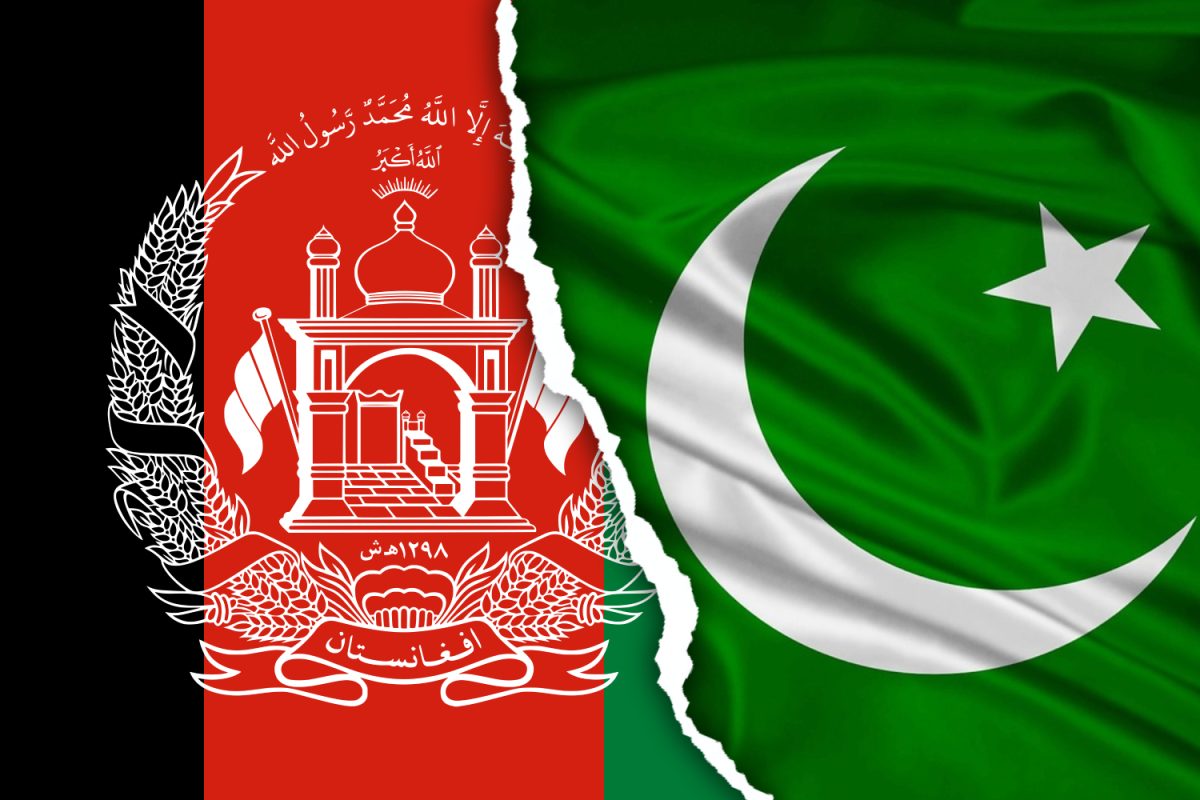
Tensions between Afghanistan and its neighboring country Pakistan have escalated in recent months over their shared and disputed border. On Feb. 26, it reached an all time high with Afghanistan attacking Pakistan’s military bases. In response, Pakistan carried out airstrikes in Afghan territory, marking one of the most serious escalations between the two countries in recent years.
Pakistan’s Defense Minister, Khawaja Mohammad Asif, declared that Pakistan is engaged in an “open war” with Afghanistan, though neither country has formally declared war yet. After this statement, on Mar. 16, Pakistan launched an air strike on a drug rehabilitation center in Afghanistan’s capital, reportedly killing hundreds.
Background and Causes
In August 2021, the Taliban took control of Afghanistan following the withdrawal of United States forces. The group remains in power today, governing the country under a strict interpretation of Islamic law.
Since then, skirmishes between the Afghan Taliban and Pakistan have reached nearly a daily basis, threatening the fragile peace treaty between Pakistan and Afghanistan.
“Pakistan has witnessed a sharp rise in militant violence within the country in recent years, including suicide bombings and coordinated assaults targeting security forces,” stated Prime Minister Asif. “Pakistani authorities blame the Pakistani Taliban, known as … the TTP, for many of the attacks, and accuse Afghanistan of providing a safe haven for the group inside Afghanistan.”
More specifically, Pakistan has seen a sharp rise in terror attacks, which include suicide bombings and attacks on border security forces. Pakistani authorities blame the TTP for many of the attacks, and accuse Afghanistan of allowing the group to function without limits, a claim that Afghan Taliban repeatedly deny.
Despite these denials, Pakistan has launched strikes targeting suspected TTP positions inside Afghanistan. These actions have led to retaliatory responses from Afghan forces, creating a cycle of back and forth attacks between the two countries.
This has left many worried about the future of the region and the threat of violence entering into neighboring countries, one being senior Aaron Santiago. Santiago’s family is from India, and he worries for his relatives still living there as its neighboring countries intensify their attacks.
“With everything already going on in the world, more casualties is something we don’t need,” states Santiago. “I hope that they can settle this quickly so it doesn’t spill into other countries, like India. I still have family living there, and I worry sometimes for their safety.”
As of Mar. 13, the UN Assistance Mission in Afghanistan recorded at least 75 civilians killed and 193 injured since the start of this conflict. The stakes of the conflict are high, with Pakistan being a nuclear power and both China and Russia as its major defense partners. The Afghan Taliban has stated its willingness to negotiate with Pakistan, though no attempts have been made.