




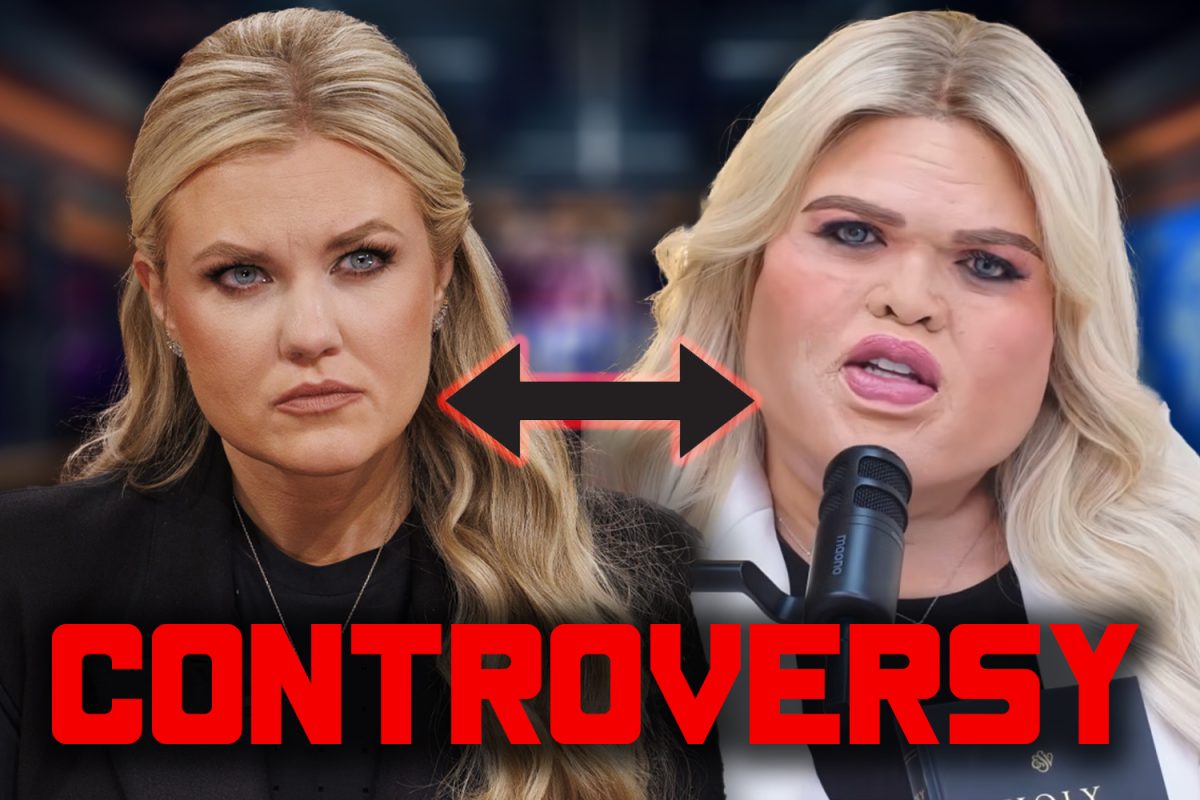



















































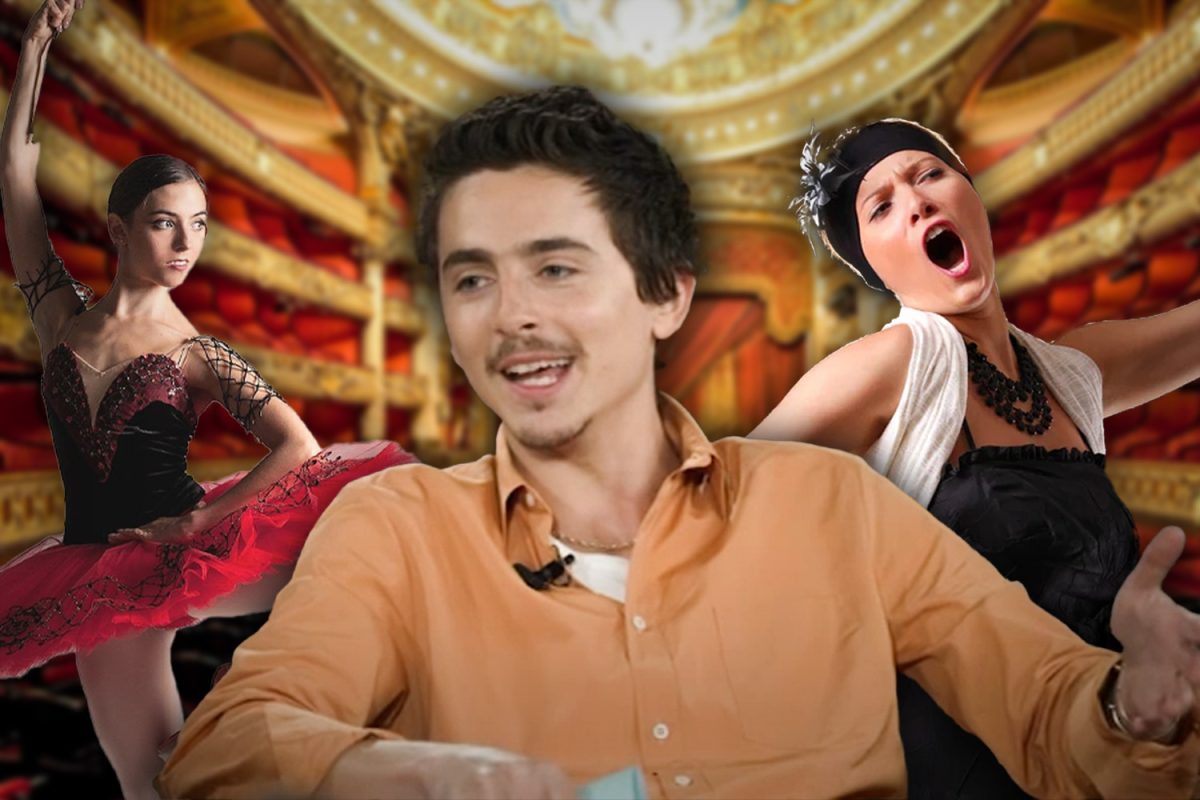
When most people think of ballet and opera, images of prestige, class, and elegance come to mind. For others, however, they feel like distant or somewhat lost art forms that are fading away in the modern era, with some even going as far as to describe it as a dying art. The latter perspective has been recently emphasized by the very well-known American-French actor Timothee Chalamet.
In late February, at a CNN and Variety town hall, surrounded by fans and fellow actor Matthew McConaughey, Chalamet made one very specific comment that left the digital world in an uproar. During the discussion, Chalamet expressed his wishes to keep movie theatre culture alive, with a fear of people losing interest and allowing the streaming world to take over. He specifically referenced the ballet and opera industry as an example, claiming that he doesn’t want to work in those fields, stating “No one cares about this anymore.”
This statement, although brief, almost instantly sparked widespread debate on social media. Many agreed with Chalamet, claiming that, though it should’ve been expressed in a more sensitive manner, he was merely acknowledging the fact that the industries are simply not as prominent as they once were. These fields, often viewed as very prestigious and exclusive, lack accessibility to a wider audience, whether it be too expensive or just not very common in daily life.
“Yeah, I think that his comments were pretty stupid at the moment, but I really don’t think it’s as deep as everyone is making it. Like, I kinda think it’s true. All of a sudden people who have never cared about opera and ballet like advocates or something,” Sophomore Sophia Salomon states.
On the other hand, critics describe Chalamet’s comments as extremely distasteful, accusing him of minimizing and dismissing those industries, including people who have dedicated their lives to them. Professionals in ballet and opera feel particularly invalidated, with years of training, passion, and discipline being dismissed with a single throwaway statement.
A few also made sure to highlight how the arts he referenced are particularly women-dominated fields, extending debates about the misogyny in today’s entertainment industry.
One recurring detail online is the mention of the women in Chalamet’s life. His grandmother, mother, and even sister have all danced in the New York City Ballet, which has been particularly intriguing for many. For some, they felt this made his comments that much more surprising, questioning how a man with very personal family ties to the ballet could make such statements. But for others, this made his statements more valid, with a personal perspective on the challenges that industries like these face backstage.
Sophomore Emma Estevez comments, “I love Timothee Chalamet’s movies, but I do think he was insensitive. It just felt a little bit rude for him to speak like he was better than the ballerinas and opera singers just because they don’t get as much recognition as movie stars do.”
Beyond Timothee Chalamet, the conversation surrounding these arts have only broadened, prompting questions about their place in the classical art and entertainment industry as the modern era continues to be shaped and adapted. While it is true that the fast-paced, attention-grabbing digital streaming culture currently has a tight grip on most people today, the generational legacy that the arts provide should not be erased or dismissed. Instead, they deserve to be celebrated, respected, and recognized as they continue to adapt to this ever-changing world.