









































Saying the words “Clavicular got framemogged by an ASU (Arizona State University) frat leader!” to the average person five years ago would get one either weird looks, an awkward chuckle, or both. The same is true for other words like peptides, blackpill, and looksmaxxing.
However, over the last year and a half, these phrases have blown up over various social media platforms, mainly TikTok and Instagram. While these words were not initially popular, they were still very present throughout niche communities on the deeper part of the internet, such as forums and Reddit.
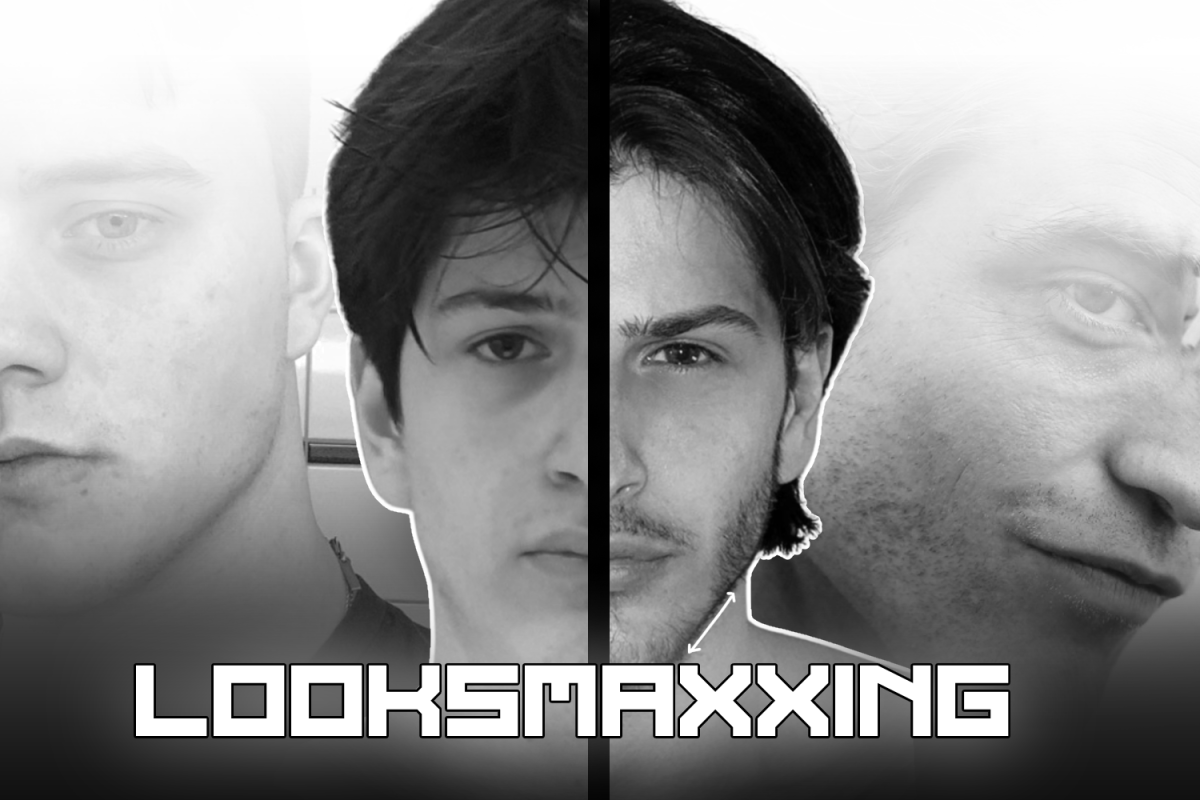
They refer to an ideology known as either “blackpill” (BP) or “looksmaxxing,” which are both similar but distinct in their exact definitions. Looksmaxxing is the act of trying to maximize good looks, which can be done through natural means or drug use, like steroids and peptides. Blackpill, however, is the belief that attractive people possess unfair advantages in society, such as obtaining greater job opportunities and general social popularity.
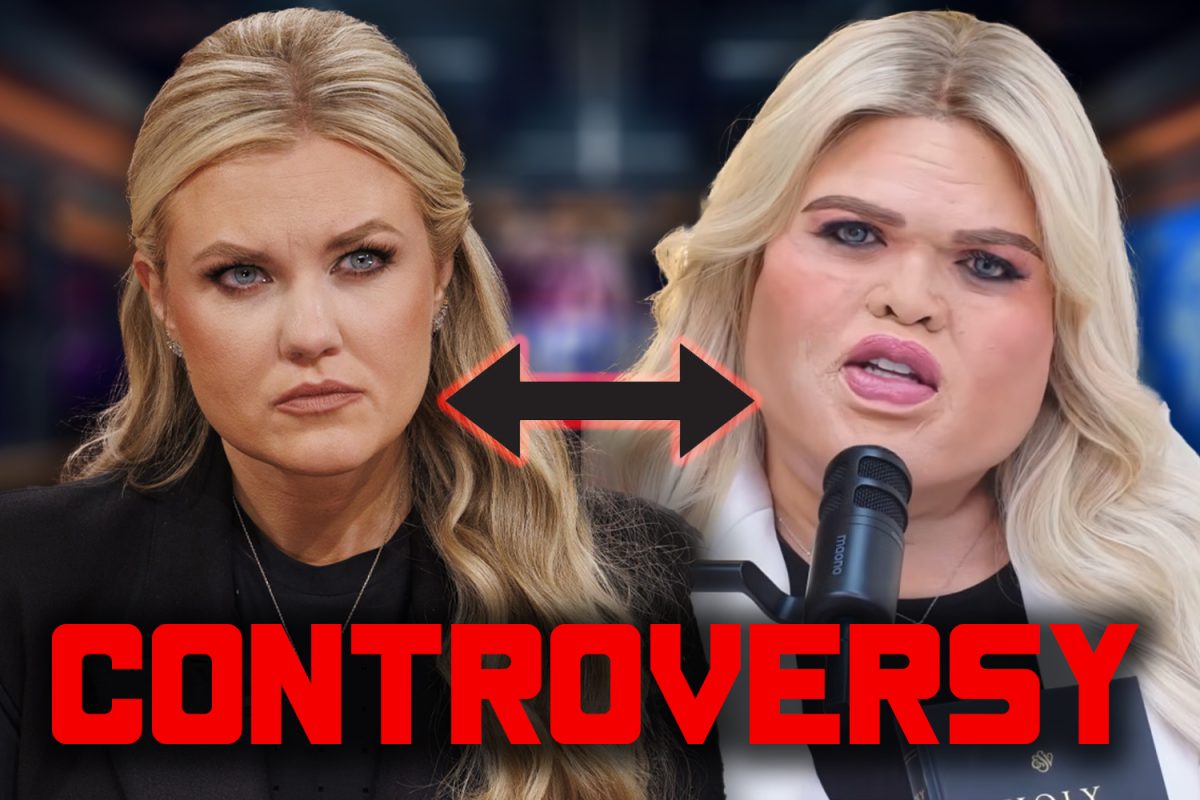
A popular influencer who embraces both aspects goes by the handle Clavicular. His real name is Braden Peters, and he became popular at the end of 2025 for his blackpill and looksmaxxing content, transforming from a niche content creator to a small celebrity within a few months.
His content style is live streaming, taking viewers with him as he walks around public places, usually on the Kick network. However, after recently making the news for running over one of his fans with a Cybertruck, he switched over to the popular streaming platform Twitch. In fact, he showed little to no remorse, acting proudly in his actions. His internal sense of male supremacy has sparked heavy backlash from nearly everyone outside his fanbase.
“I have not heard of that particular incident, but I did see something about him shooting an alligator,” comments junior Alani Sookhoo. “I think that is crazy; living in Florida and choosing to shoot an alligator is just weird.”
Another creator, K-shami, whose real name is Kareem Shami, also grew in popularity due to his looksmaxxing content targeted at young boys and teens. His content, however, is much less about the negative side of these ideologies and more about self-improvement.
He introduces two different outlets for the community: a positive one focused on self-improvement, or an entrance to the darker side of blackpill.
As they blew up, these creators became the tail of various jokes, both within and outside the community. This is reflected in the comment section of their videos, where there is almost always someone saying something along the lines of “people in real life don’t think like this.”
Another example of a more niche joke is the aforementioned phrase “Clavicular got framemogged by [an] ASU frat leader.” This references Clavicular’s visit to the ASU campus, where a student had a “better-looking” physique than him. People on social media were quick to create jokes, belittling Clavicular for his looks.
“I have definitely heard of it [the ASU joke] before, and I have seen the original video too,” junior Alexander Stewzewski remarks. “I find the whole situation kind of ridiculous.”
However, a more serious topic is what these creators promote, and while the ideologies are harmful themselves, the products they advertise are far worse. These products include peptides, steroids, and generic supplements.
Steroids are well-documented in their harmful nature, but peptides are relatively new to the medical field and are still being tested. With no known major side effects, they are found attractive due to their recency. Peptides have many functions, but they are mostly used for weight loss, a popular one being RETA-3.
As influencers like K-Shami and Clavicular are luring more teenage boys into blackpill, the real physical and mental health effects of the ideology will become increasingly apparent. Whether these effects are entirely good or bad is still being debated, and the truth may be that it is a mix of both.