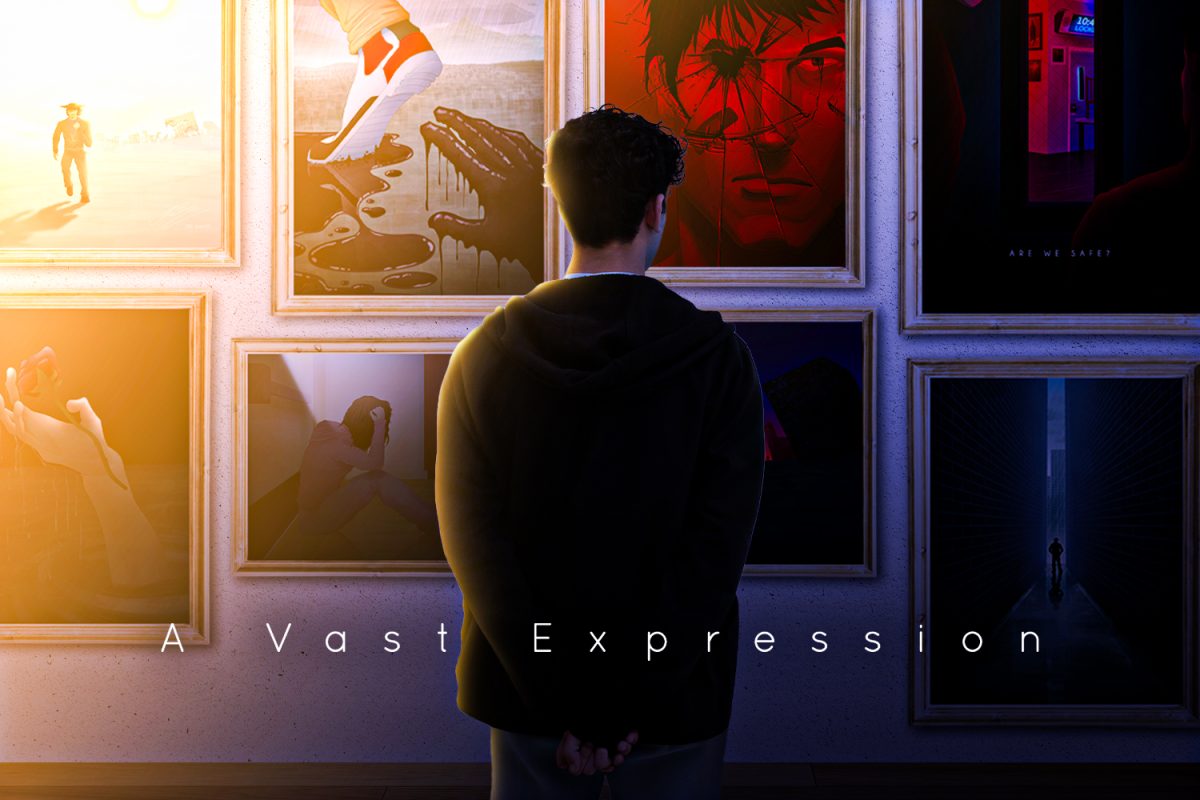























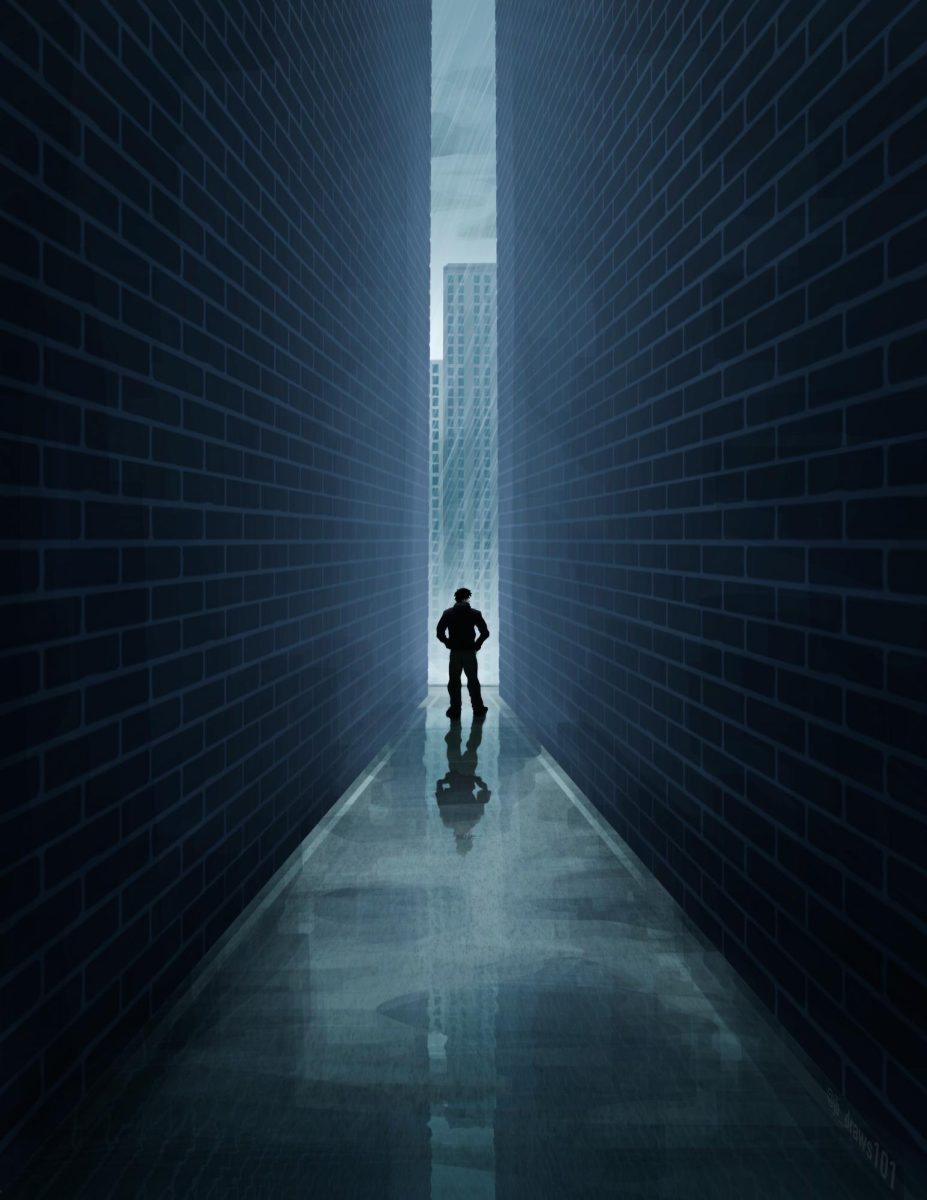
















The world is very aware of how different the newer generations are compared to older ones. What has been more unexpected is the growth of disconnection from reality amongst the younger generation, specifically tying into artificial intelligence (AI). AI has become the main aspect of why humanity has been losing its own personal touch.
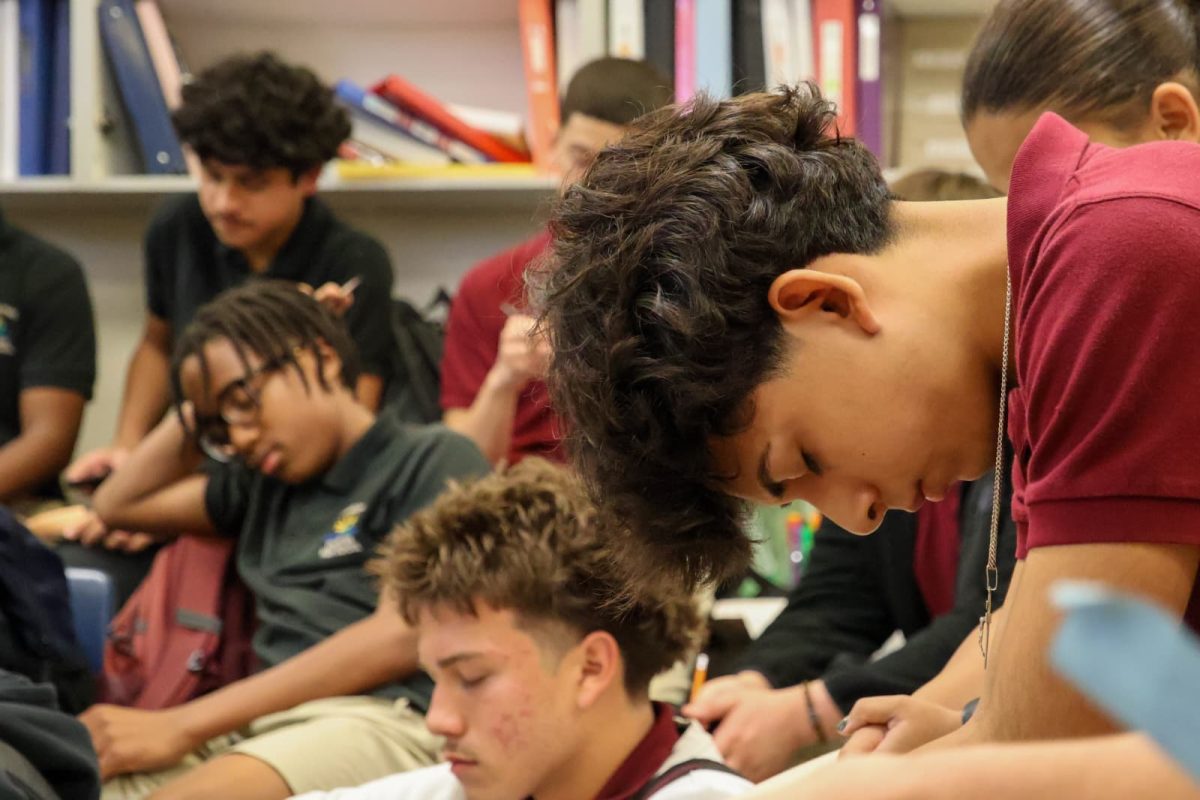
The “disconnection from reality” is tied to how teenagers have centered their lives solely around social media, spending an average of about five hours a day online. Thus, many are losing face-to-face interactions, which are essential for building meaningful relationships, causing a loss that takes away the true definition and key part of life: experience.
When focusing on experience, it raises the question of how the younger generations are expected to live their lives and meet new people while their phone is glued to their hand. At the same time, society must understand this is simply the environment in which they grew up as well.
During the COVID-19 pandemic, my generation was forced into isolation and quarantine. This pushed many others into a position where they could no longer socialize with the ‘outside world’. During this same period in time, I had noticed that more and more AI companions had surfaced, becoming more common for others.
As my generation tends to place responsibility into the hands of AI and new technology, we started to heavily rely on computers, phones, and apps to do the work for us. This soon created risks for essential skills such as communication, relationship-building, education, and even simple tasks like writing and speaking. Research has shown that using an excessive amount of these devices does not allow for students to work their brains, specifically tying into the area that works with engagement and reducing activity in the brain.
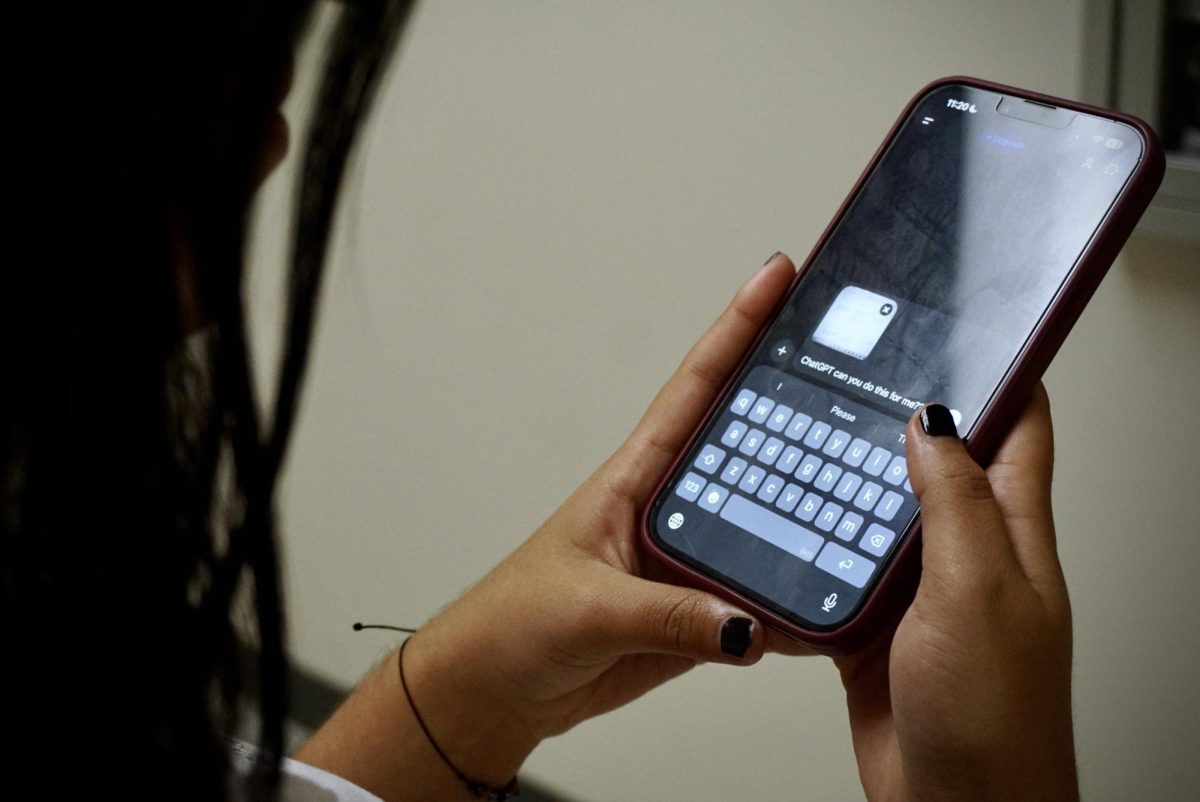
The rise of AI has also pushed students to misuse it, from homework for a class to writing college applications. While some students continue to abuse this power, others are starting to become worried about their own personal growth and future.
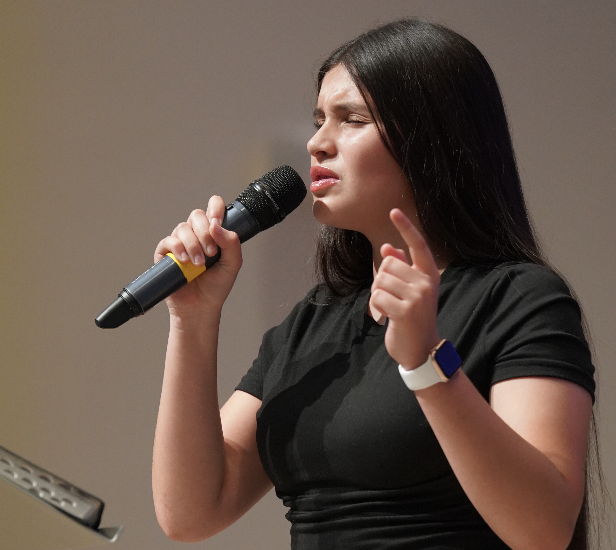
Sophomore Aaron Sorensen says, “I think AI has its benefits, but I believe we’re using it too much. We should limit and restrict it, use it purely just as a tool, not to create, dominate, and take over human jobs and tasks. [We] also… hurt the environment by wasting it to create meaningless slop.”
In order to break this habit, it is important that we shift our perspectives and lifestyles. Instead of becoming dependent on technology to validate ideas, students should be encouraged to take pride in their own thoughts. It is vital to stay connected with oneself and others to allow personal growth through real experiences, rather than having an app do the work for you.
For genuine changes to happen, it is important that parents and teachers create a habit of putting their kids in a position where they are pushing themselves through challenges to use their minds in different ways. This allows them to think and engage with others, rather than an assignment they can simply search up the answers to in a couple of minutes.
When we discuss the “disconnection from reality”, we speak more about technology itself, but about allowing it to replace real experiences, causing younger or even newer generations to lose that sense of human connection with others. Reconnection with reality begins by choosing presence and experience over digital convenience and comfort.