






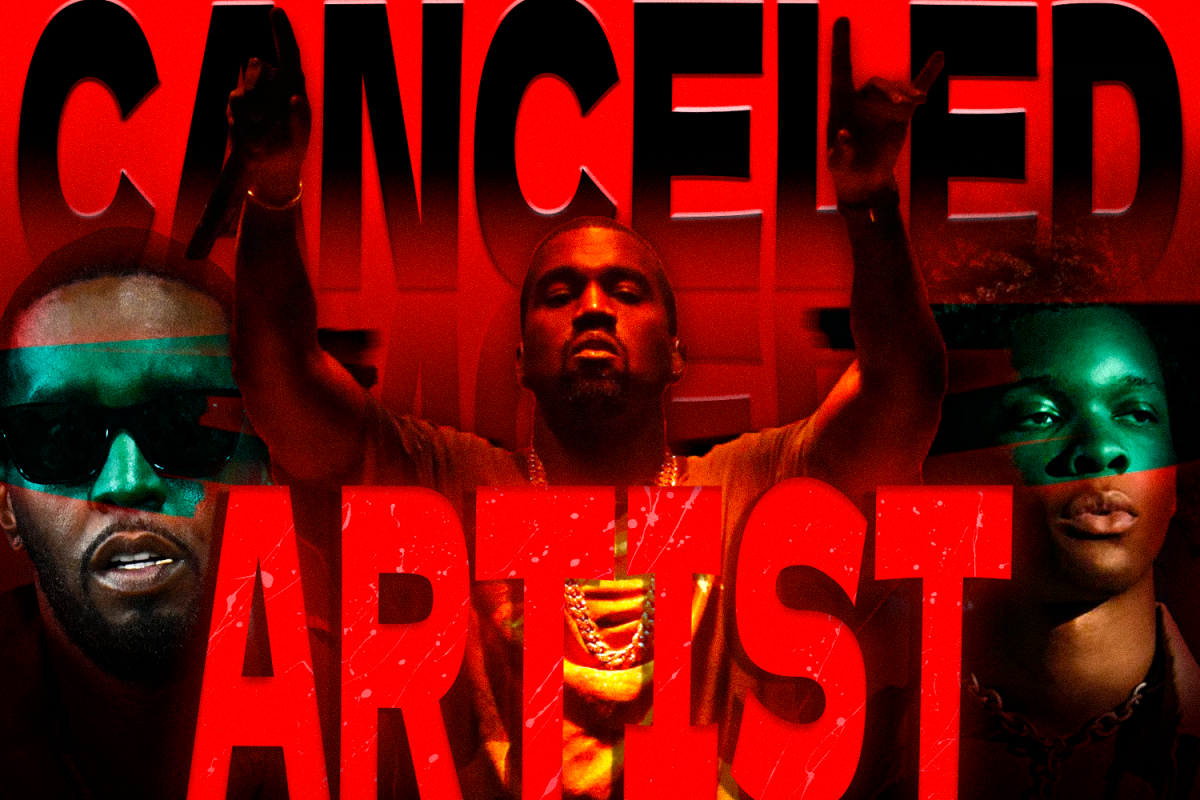
In today’s society, especially with cancel culture that will call people out for anything, it’s easy for artists to get caught up in some scandals. Many artists get cancelled for offensive or problematic behavior after making controversial remarks and slurs, and more. However, should bad decisions made during a troubling past still define them today?
While there seems to be a common theme among artists being cancelled for making controversial racial remarks, sometimes artists are cancelled for deeper reasons. In recent months, popular musician D4vd was cancelled regarding the disappearance of Celeste Rivas Hernandez after her body was found in his Tesla at a Los Angeles impound lot—though he is definitely not the only artist with a striking past.
Another popular American rapper and singer, Tyler the Creator, had an extremely problematic past, with him being cancelled numerous times. These reasons include him largely being criticized for former tweets resurfacing that were interpreted as anti-Black, along with violent and graphic themes explored in his music that discuss belligerent topics such as sexual assault. Although many of these comments and lyrics were made years ago and he has attempted to show the public that he’s changed, a large demographic of the public, which I am a part of, has still decided not to forgive him.
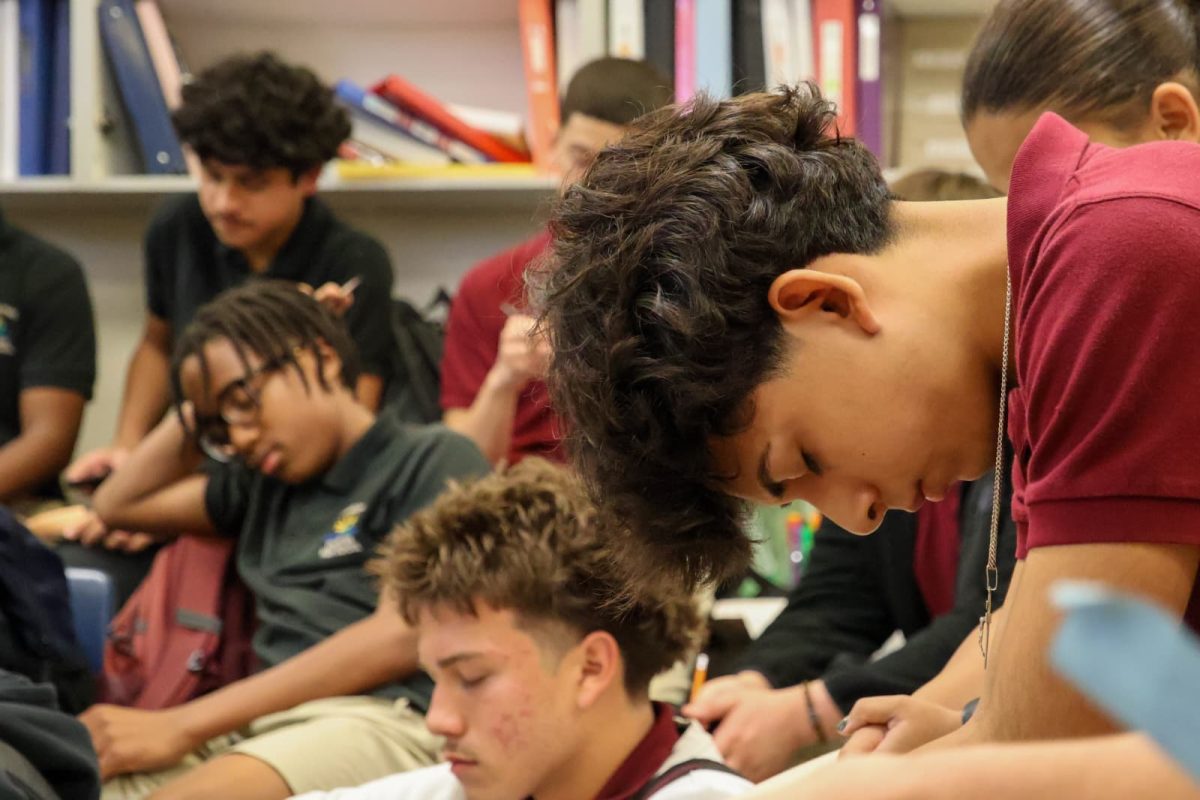
We all have a colorful past filled with mistakes and mishaps regarding our words, choices, or actions. However, just like us, whether an artist should or shouldn’t be cancelled for their actions depends entirely on character growth development. Although, students at Pines Charter High School have differing opinions on the topic:
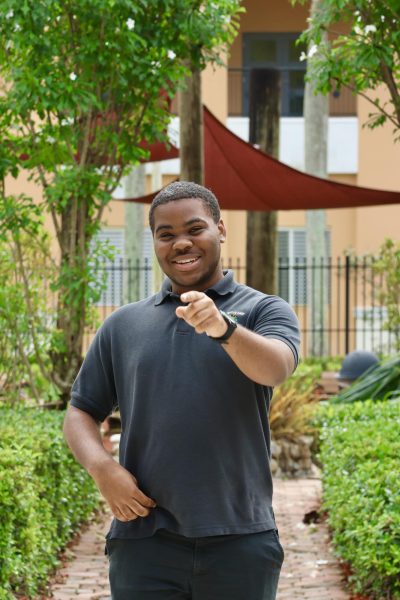
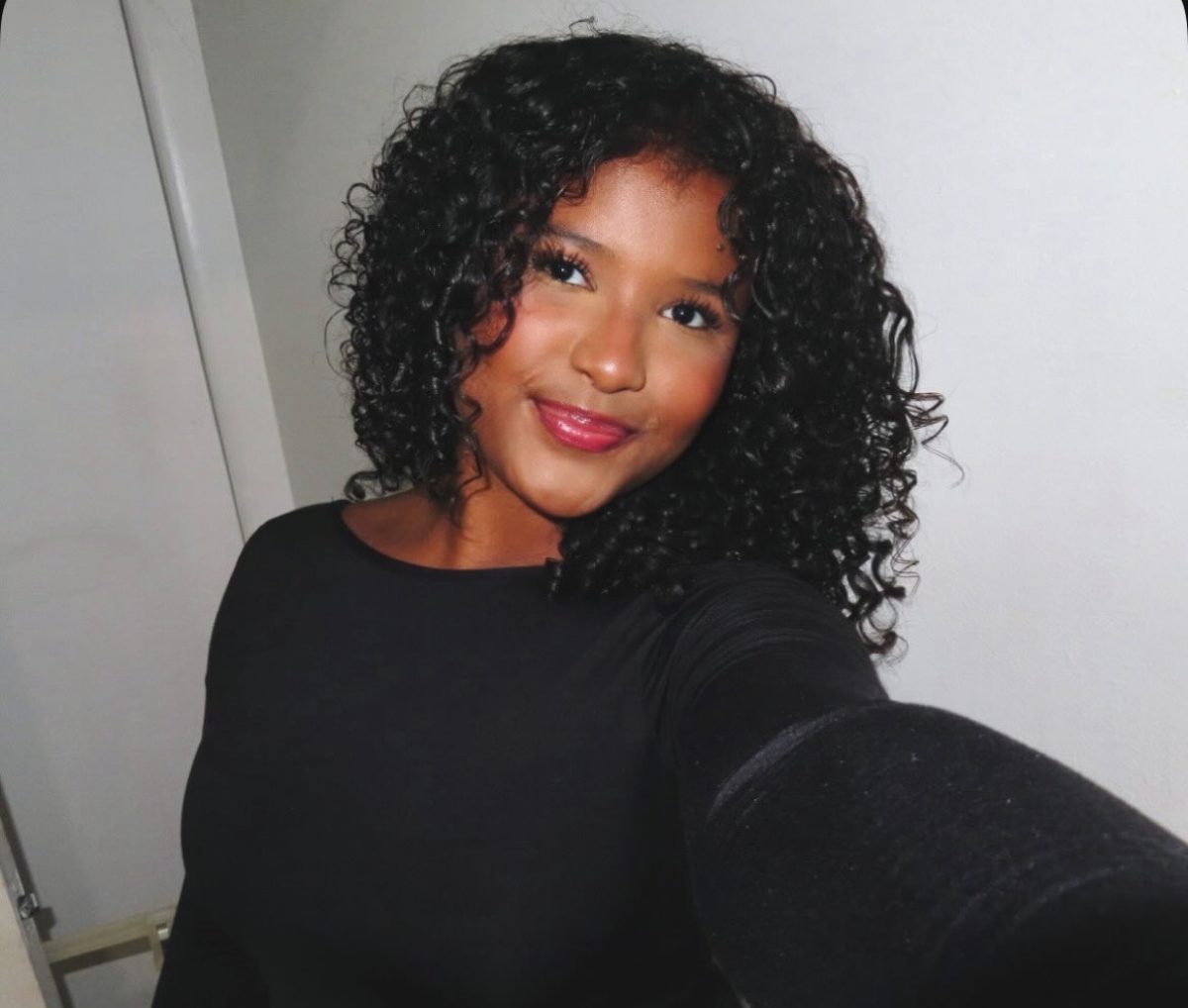
Sophomore Siyan Wimbley says, “A lot of artists have a young and impressionable audience that looks up to them and the things they say and do, so they should be held accountable for the things they’ve said regardless of whether it was in the past or present.”
Many artists are able to showcase their growth from their past by apologizing, educating themselves, and coming to the realization that their actions are wrong, while others aren’t as willing to turn a new leaf.
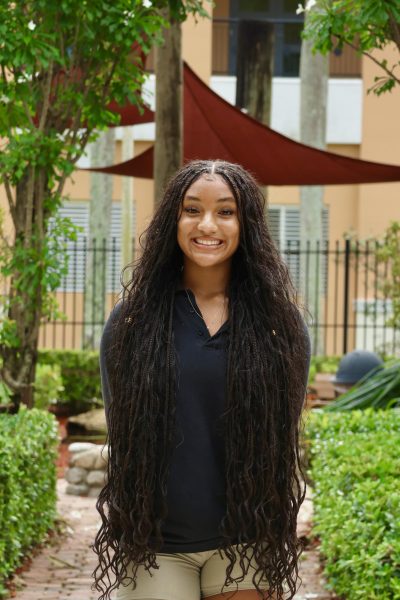
“The severity of what an artist has said or done in the past should affect how long they’re cancelled because if they’ve said something racist or genuinely offensive, then they should be cancelled for longer,” remarks freshman Adalia Buenano.
Apologies among artists have an entire culture online, with many taking accountability for their actions to make amends with the public. The public tends to pick them apart to come to their own conclusion on whether or not these artists genuinely care. Although it is arguable that these people are going overboard, it does raise questions like, is the artist apologizing because they genuinely grew, or is this a performative facade just to regain their fanbase and support?
“I believe that everyone has the ability to change, but it fully depends on what they’ve said or done,” states sophomore Olivia Gonzalez. “Depending on how bad their actions were, I don’t think they can fully change because if they do, people can view it as them only changing for the public opinion to make themselves look better.”
Expecting the people offended by the behavior or remarks made to immediately forgive the artist, or even forgive them at all, is seemingly unreasonable. However, in the case that an artist does make an effort to genuinely change from their past ways, instead of society and the internet continuously scolding or judging them, one might conclude that the public, if willing, can learn to forgive and forget.
Nevertheless, there is no doubt that these people have the ability to learn from their mistakes, acknowledge their wrongdoings, and evolve into different, more educated people.