






































































From filling a small cafeteria with jargon to classrooms and so on, brain rot has gradually consumed the way teens communicate with one another. Students are now popularizing the use of brainrot, a slang term that describes the mental decay caused by the overconsumption of low-quality online content.
Gen Z and Gen Alpha’s humor can sometimes seem lighthearted and silly; after all, the joke is that there isn’t one. Sometimes things are so not funny that they become funny. Lately, this repetitive style has become popular among students. Overused catchphrases have become part of students’ daily speech, including ‘67,’ ‘sigma,’ ‘labubu,’ ‘rizz, ’ ‘alpha, ’ and so forth.
The most popular term currently, ‘67,’ comes from chaotic TikTok audio culture, where random numbers are used as punchlines. The humor isn’t in the meaning—there is no meaning, the silliness is the joke.
Pembroke Pines Charter High School (PPCHS) sophomore, Soniya Nelson, says, “I can be in class, and even the mention of a number can have a class go crazy,” adding, “Everyone else laughs, so I do too. It’s not a joke itself, it’s more how people [perceive] it.”
Phrases like “six-seven” have even grown to become Dictionary.com’s 2025 Word of the Year. With no real meaning, this slang has taken over the school hallways, making it difficult for teachers to continue their lessons uninterrupted.
In 2018, a decade-long study by top psychologists at Stanford University revealed that people who regularly use multiple online platforms tend to have shorter memory and attention spans. This insight highlights the impact students’ scrolling habits can have on their mental health.
The overconsumption of certain materials, especially online content, can lead to emotional numbness, psychological overload, and a more negative view of ourselves. Excessive use of brain-rot language not only limits a student’s vocabulary but also diminishes their ability to communicate clearly and deeply.
Instead of expressing how they feel or responding with actual ideas, many students default to catchphrases that say nothing. Academically, brain rot affects classroom learning quality because it relies on short, meaningless phrases; many students are using less academic vocabulary in both speaking and writing.
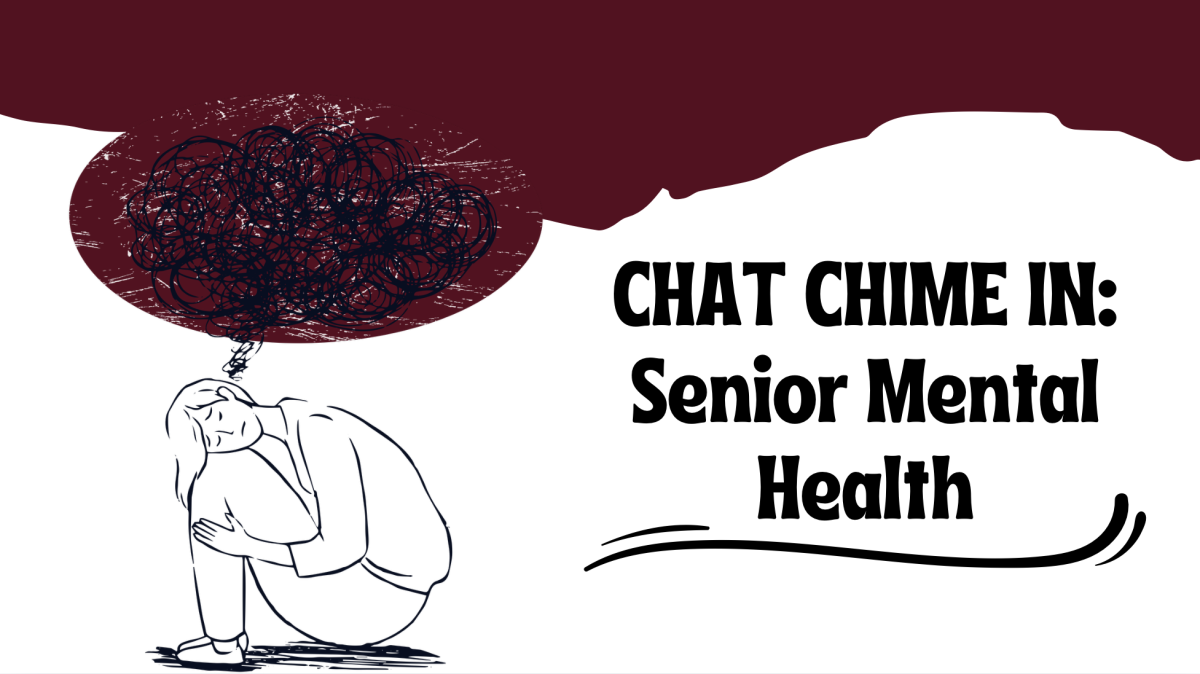
Some students say that the overuse of this media makes them feel numb or apathetic, and others have noticed that spending hours watching or immersing themselves in these trends leads to brain rot, which harms their learning and concentration in class.
“There are trigger words like ‘six’ or ‘alpha’ that I hear regularly in my classes from teachers,” says PPCHS sophomore Pragathi Natarajan. “With the [use] of brain-rot, it’s almost impossible not to break into a smile—[overall] distracting myself from what we’re reviewing.”
Online media users who consume excessively develop shorter attention spans and weaker memory recall, in line with Stanford’s study. Combined with doom-scrolling habits, brain rot contributes to shallow focus, making it harder for students to process lessons deeply or stay engaged.
Socially, brain rot has become a type of bonding language. Students throw around words like ‘67’, ‘sigma’, or ‘rizz’ to get instant laughs and feel included in a shared joke. However, because these phrases replace actual meaning, they often take the place of honest conversations.
The consumption of these digital trends has guided students to become more dependent on doomscrolling than ever before. As new trends and phrases continue to sprout, classrooms will only become brain-rot-infested rooms with no aspects of creativity or lexical diversity.