





















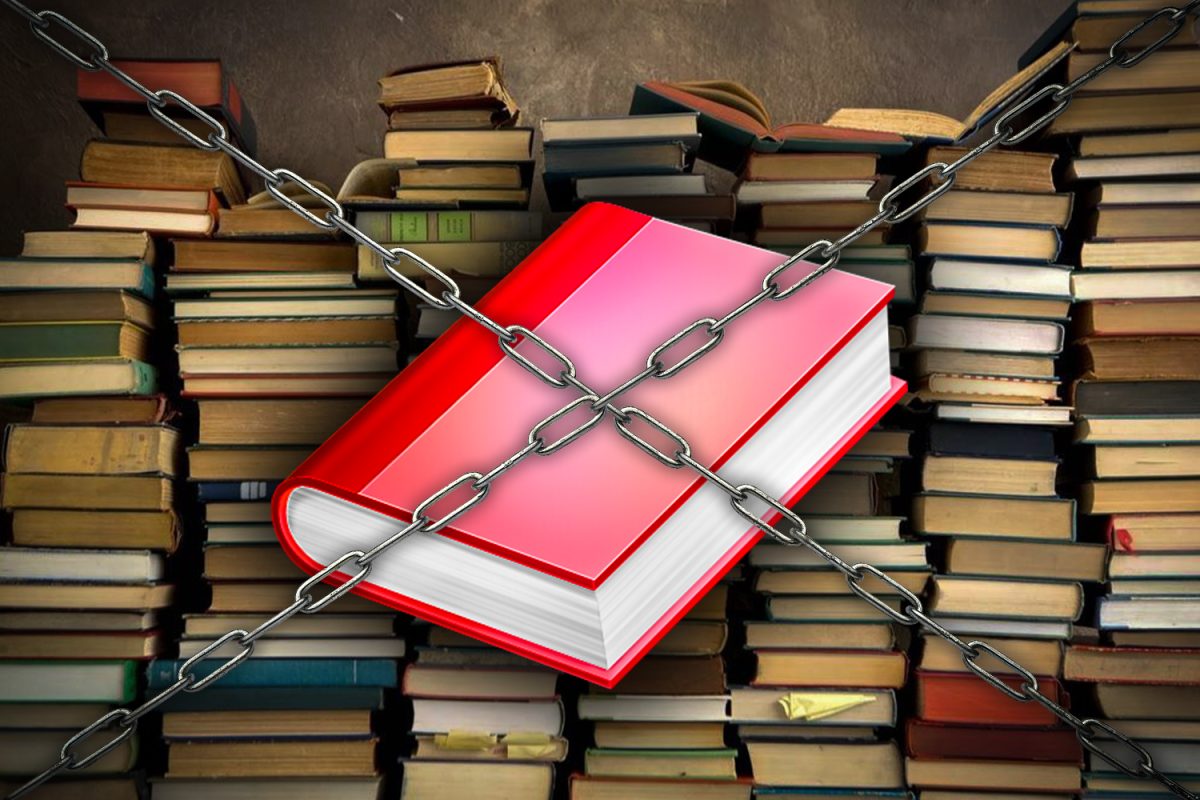
For as long as it’s been known, books have been a fundamental part of people’s lives. From learning the ABCs to reading medical textbooks for medical school, books have always been around us. They give a sense of connection and mental escape that is hard to find anywhere else. Though taking books away would be devastating, it’s happening regardless, and without action, it could ruin the United States.
In 2022, nearly 1,600 books were challenged or removed since the American Library Association (ALA) started tracking them. The primary reason for this is conservatism, the commitment to traditional values, or a lack of tolerance for change.
Many books have been banned, with the reasoning behind it being that it’s protecting children, or instead shielding the United States from the ‘woke agenda,’ or just simply diverse concepts. However, the process of banning books does the opposite. Instead of protecting U.S. citizens, it hinders their ability to access information and view different perspectives.
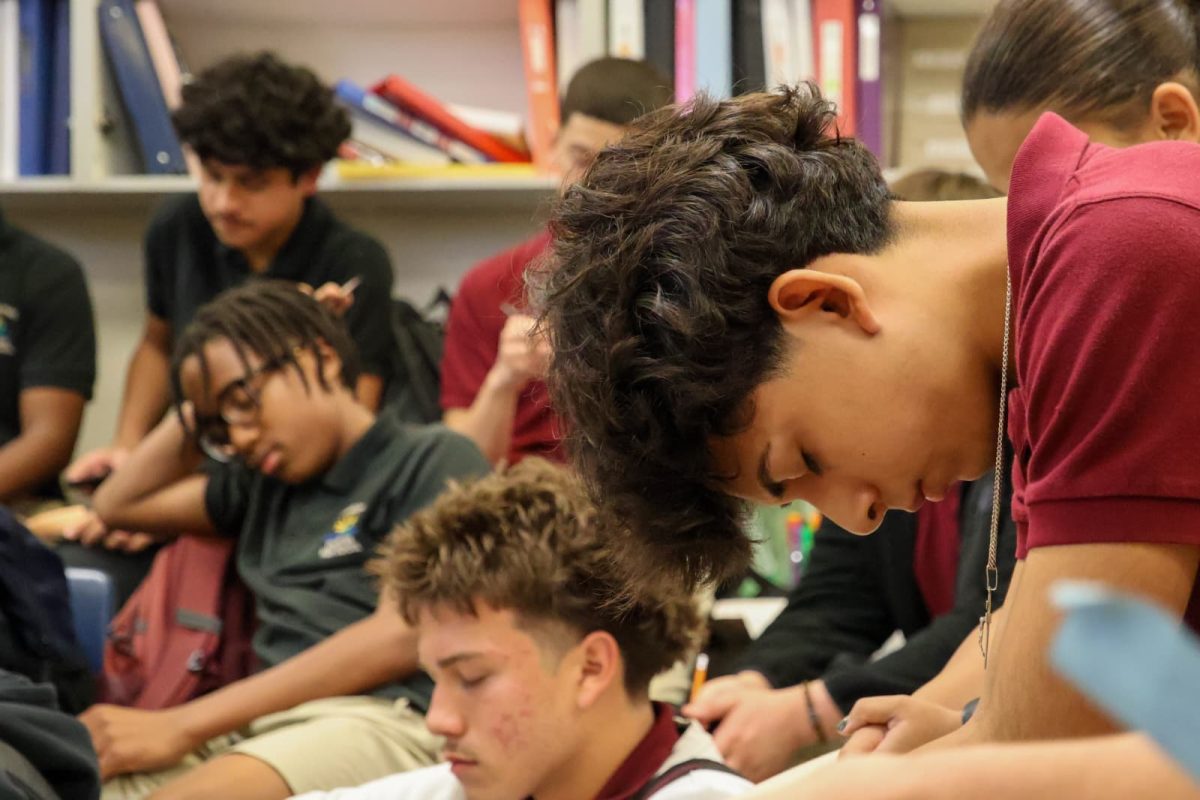
Without these perspectives, it is especially hurtful to students who need them to gain a deeper understanding of the world around them and develop empathy.
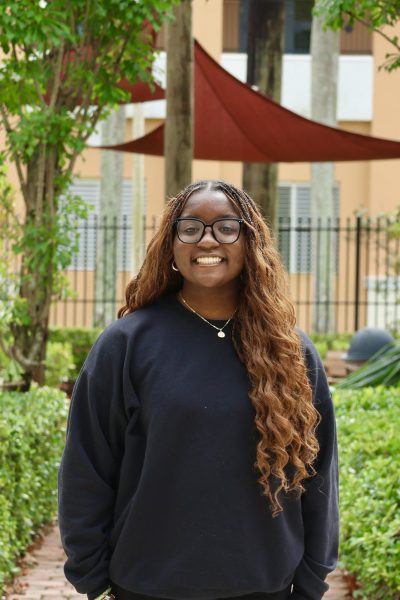
Pembroke Pines Charter High School (PPCHS) junior Sanjana Balla has conflicting feelings about the book ban. “It’s definitely harmful, as it censors information, going against the First Amendment; however, if it’s taboo content, banning books doesn’t seem like a bad option.”
Literature is a powerful tool for developing empathy, allowing children to recognize how people can be different and to connect with others.
Additionally, removing books harms communities, mainly marginalized groups. Abolishing books only means erasing struggles, removing voices that need to be heard, and overall worsening mental health.
Despite all of these facts, books are continuously being banned, predominantly in school libraries. For example, The Handmaid’s Tale, written by Margaret Atwood, an award-winning novelist, is known for its extreme yet necessary themes. It contains sexual content, anti-Christian sentiments, violence, and feminism, focusing on the power and control over women’s bodies. Due to these elements, the novel was deemed unfit for public libraries in some states.
The Handmaid’s Tale, however, serves as a cautionary tale, shedding light on themes such as reproductive rights, oppression, and dictatorship. Without this book being accessible to teenagers, discussions about social issues among young people will not only be hindered but ultimately come to a halt.
Students need to face complex topics and change to grow, seeing situations differently and being tolerant of cultures they may not be familiar with.
Brianna Guerra, a PPCHS sophomore, can deeply relate to this: “I think reading has seriously changed how I’ve seen things. Every student should read a book once in a while.”
Just as The Handmaid’s Tale is banned because of taboo elements, The Hate U Give is also banned for similar reasons. The book features 16-year-old Starr Carter, who sadly witnessed the shooting of her unarmed friend by a police officer. It’s a complex book that would be valuable for students to read.
Due to its ‘anti-police’ message and profanity, it has been challenged numerous times to be banned from local libraries. Moreover, its link to ‘critical race theory’ has been a leading factor in the harsh judgment of the novel.
Additionally, books such as This Book Is Gay, The Perks of Being a Wallflower, To Kill a Mockingbird, and even the Harry Potter books have been challenged or banned for their ‘unsuitable’ content for children.
These books, however, have a real purpose: challenging the status quo, fostering essential conversations, and ultimately bringing empathy and the freedom to learn into people’s lives. It uplifts LGBTQ+ and marginalized voices, giving them a platform to speak. Banning books will forever be detrimental to the United States, and it’s time that its citizens wake up and realize that.