


























































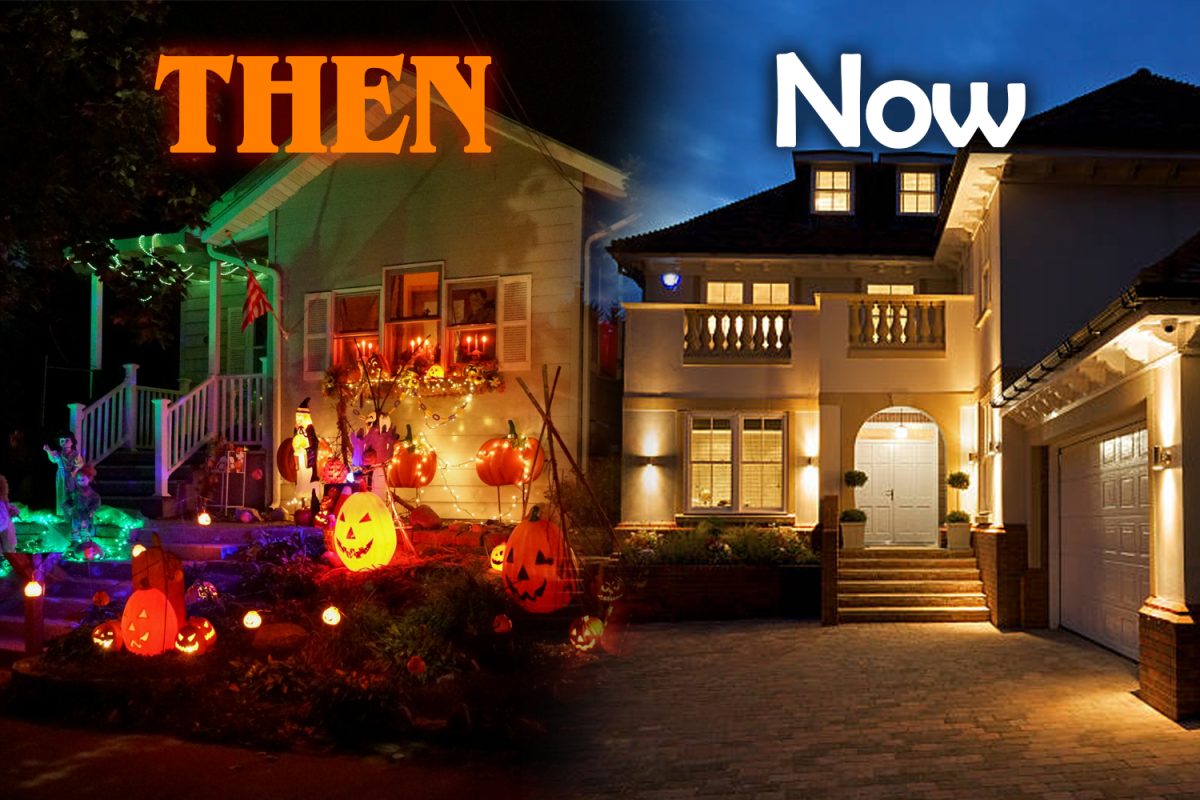
For generations, the night of Halloween has been filled with the laughter of kids running from house to house, plastic pumpkins swinging from their hands, and porch lights glowing across every street. Lately, however, neighborhoods have started to look a little darker on Oct. 31. Fewer kids are knocking on doors, and more families are heading to organize “trunk or treat” events instead.
Trunk or Treats is where people decorate their car trunks and hand out candy from a safe, central location. They have become a popular alternative to traditional trick-or-treating. Schools, churches, and community centers host them, offering games, music, and candy all in one place. Parents like the idea because it feels safer, especially with concerns about strangers, traffic, and tainted candy.
Still, some people miss the old excitement of going door-to-door. PPCHS sophomore Brienna Dominque says, “When I went trunk or treating, it was fun, but only for a little bit. And since there are a limited amount of cars, you don’t get the same amount of candy as you would trick or treating.”
Among the reasons for the shift are safety concerns. Reports of tainted candy or other suspicious behavior in recent years have made parents much more cautious. In many neighborhoods, fewer and fewer families have participated, fading the payoff for the trick-or-treaters who do head out.
Without the option to run from door to door, as homes turn off their porch lights or are spaced too far apart, the fun goes out of it. PPCHS sophomore Bianca Gutierrez mentioned, “There were a lot of parties this year, and I think it was a much more fun experience [than trick-or-treating].”
Some communities, however, are modifying the tradition in creative ways. Rather than giving up the tradition altogether, they’re compromising on both ideas: starting with a trunk or treat in the afternoon and finishing with a few blocks of old-fashioned trick-or-treating at night. Other communities organize events within the neighborhood where families can walk together, still keeping the social part alive, but with safety still in mind.
Yet for many people, the shift feels like the end of something special. It was more than just about candy. When walking up and down familiar streets in costume, seeing all the decorations, and hearing people laugh at each doorstep, Halloween seemed much more about connection. Trunk or treats are fun, but too often lack the mystery and adventure that made trick-or-treating so memorable for many.
Halloween isn’t disappearing — it’s just evolving. Kids still dress up, candy is still everywhere, and people still find ways to celebrate. The holiday may look different, but its spirit of creativity, fun, and community does not. Whether it be with a parking lot full of decorated cars or a quiet street with glowing pumpkins, Halloween continues to unite people in new ways.
While some do hope that the tradition of going door-to-door might make a resurgence someday, especially as new families move into the neighborhoods and look for ways to reconnect, many parents feel comforted in knowing kids are safe while still getting to enjoy a spooky night out.