



















































In a world that revolves around Hollywood actors, singers, songwriters, and TikTok influencers, parasocial relationships are bound to occur. However, it might be worth asking: when does admiration become outright delusion?
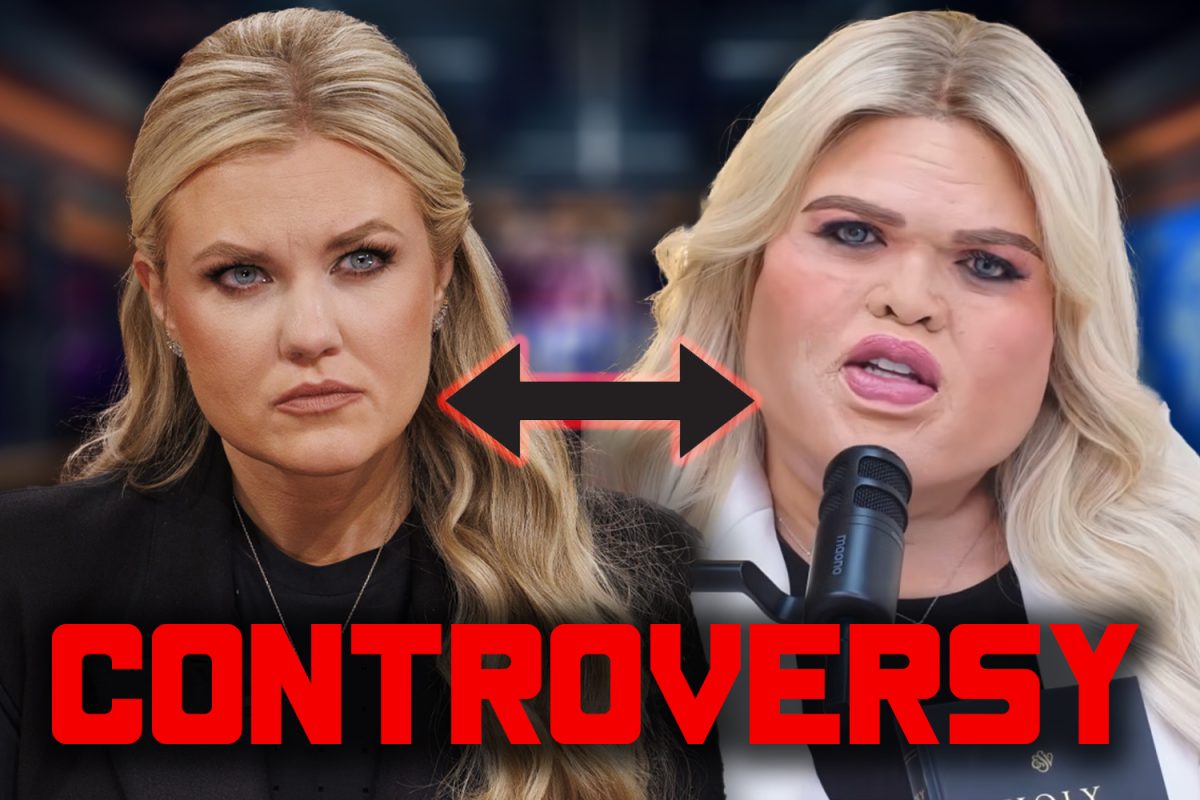
A parasocial relationship is defined as a one-sided, unreciprocated sense of intimacy that a fan feels toward a celebrity or public figure, in which they come to feel they know them personally. These relationships are more common than ever as a result of social media, with one of the most notable examples being Taylor Swift’s fandom, the “Swifties.”
Swift’s newest album The Life of a Showgirl took over everyone’s social media feed when it first came out. Fans on social media came together to discuss their favorite songs, talk about which ones could be better, and share their overall thoughts on the album. Amidst the feedback, bigger conversations were sparked. Fans analyzed each individual lyric, relating to and admiring Swift’s vulnerability in the song. Many viewed the words as if they were messages from a close friend, as if she were someone who understood them completely.
Pembroke Pines Charter High School sophomore Sophia Salomon shares, “I love Taylor, but even I can tell when people on social media are too delusional about her. It’s like they genuinely see her as a mother figure.”
As a matter of fact, this is often the goal of many singers when it comes to their music and lyrics. They want their audience to feel seen. But when fans began to refer to Swift as their “mother,” lines were arguably crossed.
One instance in which these faux friendships are most evident is in celebrity romances. One of the most famous celebrity relationships was between Canadian singer Justin Bieber and American actress and singer Selena Gomez.
When they got together in 2010, fans were elated, following their relationship status, sharing their own opinions, jokes, and judgments. Many of these opinions, however, were very much unwanted and even intrusive. The uncomfortable media involvement significantly weakened and even destroyed many of these very public relationships.
When the world-spinning breakup between Bieber and Gomez hit the internet in 2013, things got so much more uncomfortable. Sides were picked, emotions went wild, and overall devastation occurred in the media. It became unhealthy for such a large mass of people to feel personally affected by the relationship between two strangers.
Sophomore Emily Bello Contreras comments, “I used to really love Selena Gomez and Justin Bieber, but after a while, it became honestly embarrassing to be a fan of them. It felt like I was affiliated with all the weird and crazy fans.”
The events of this relationship dragged on for the remainder of the 2010s, but the audience’s investment in the drama never faltered. Even though Bieber clearly moved on with his current wife, American model and socialite Hailey Bieber, the terms “Team Selena” and “Team Hailey” still lingered well into the early 2020s. Imaginary feuds like this, filled with death threats and harassment of public stars, have unfortunately become all too common in today’s media.
However, it’s not to say that all parasocial relationships are unhealthy. Social media has created a unique space where creators post anything, from their morning routines, day-in-the-life content, and even emotional videos sharing their own personal thoughts and experiences. Many people can find strength in the artists and creators who inspire them.
These relationships, while one-sided, remind us of the power of vulnerability. Everyone, whether rich and famous or just any ordinary person, has their own emotions, thoughts, and insecurities that they carry with them throughout their life. Though no two people can have identical experiences, it is the ability to relate and connect through shared emotions that makes the human race so unique. Admiration is powerful, but real relationships only happen when both people are truly involved.