

























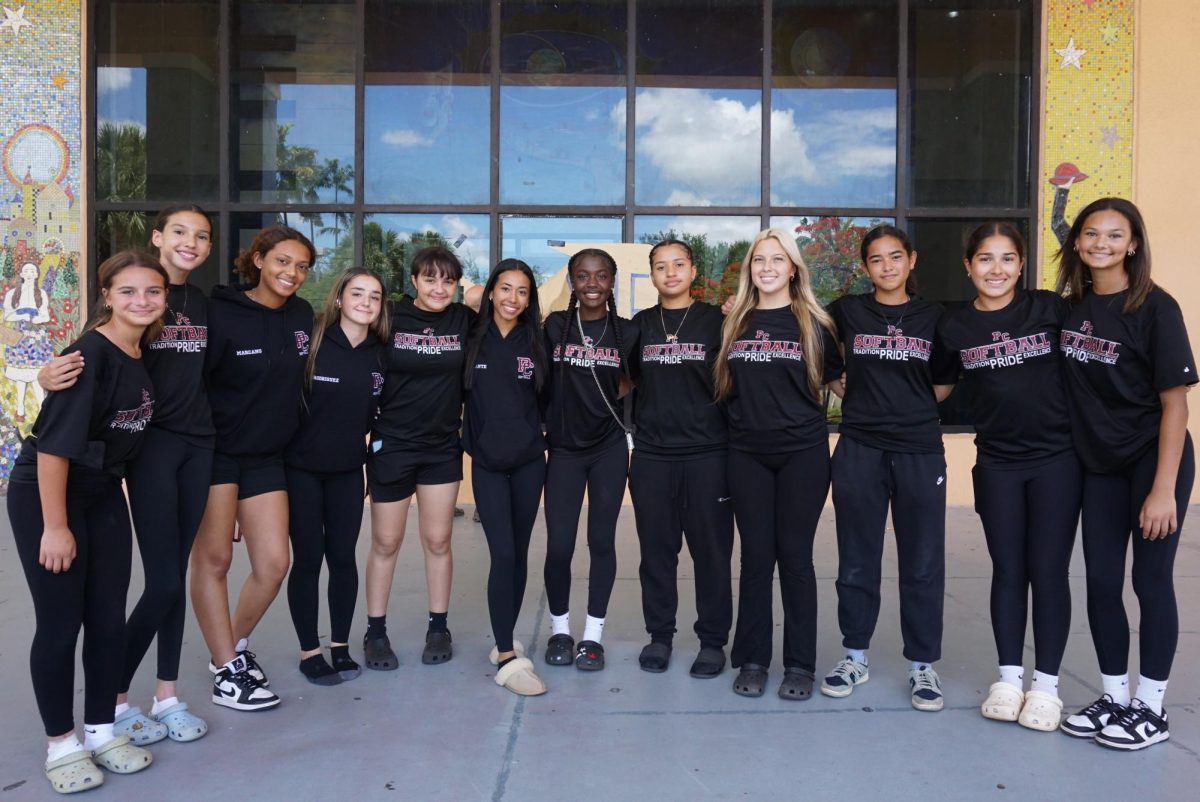

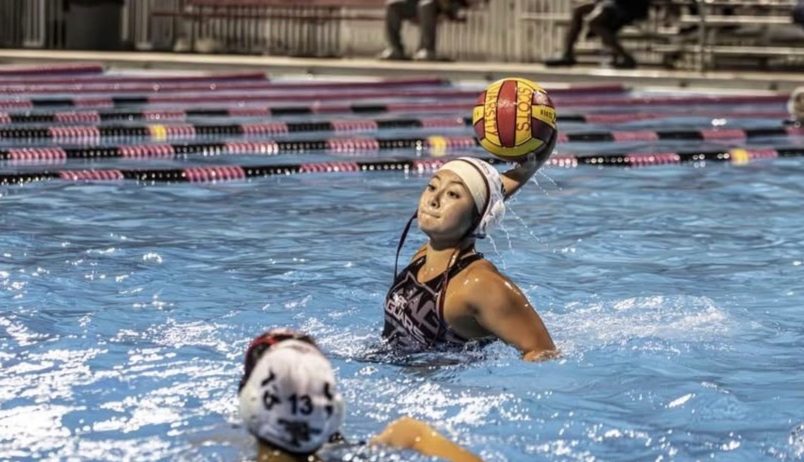



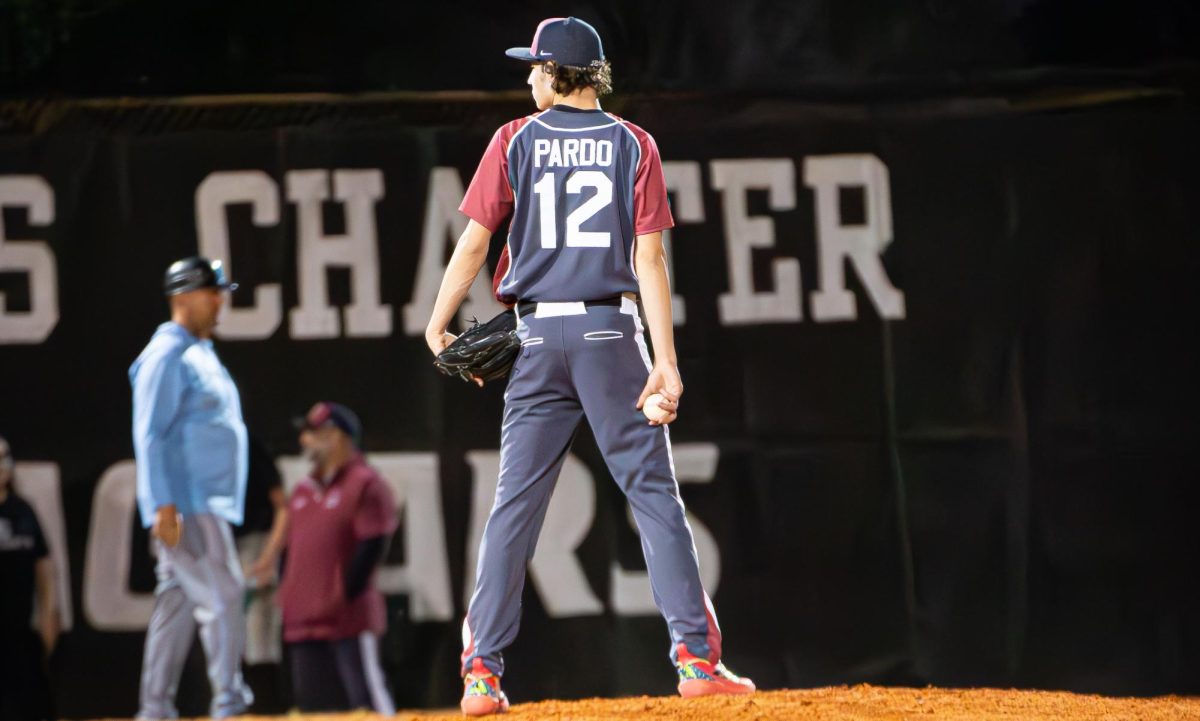







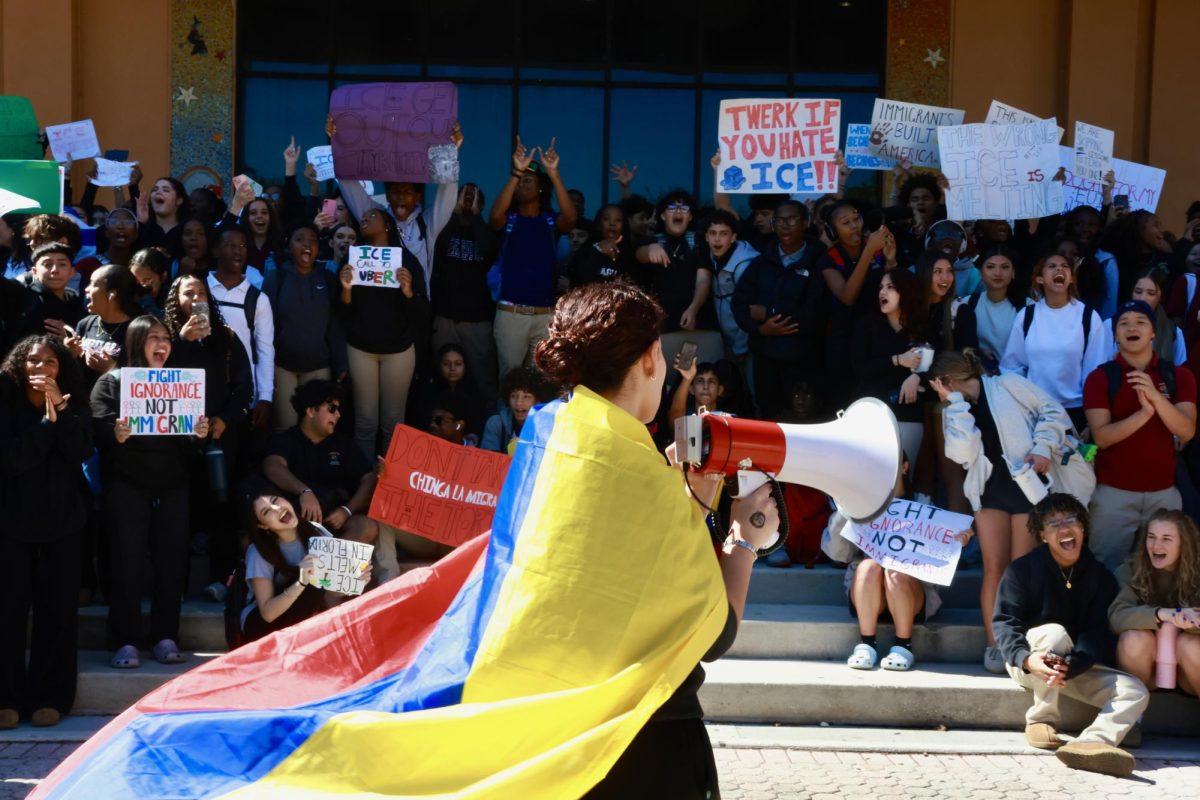
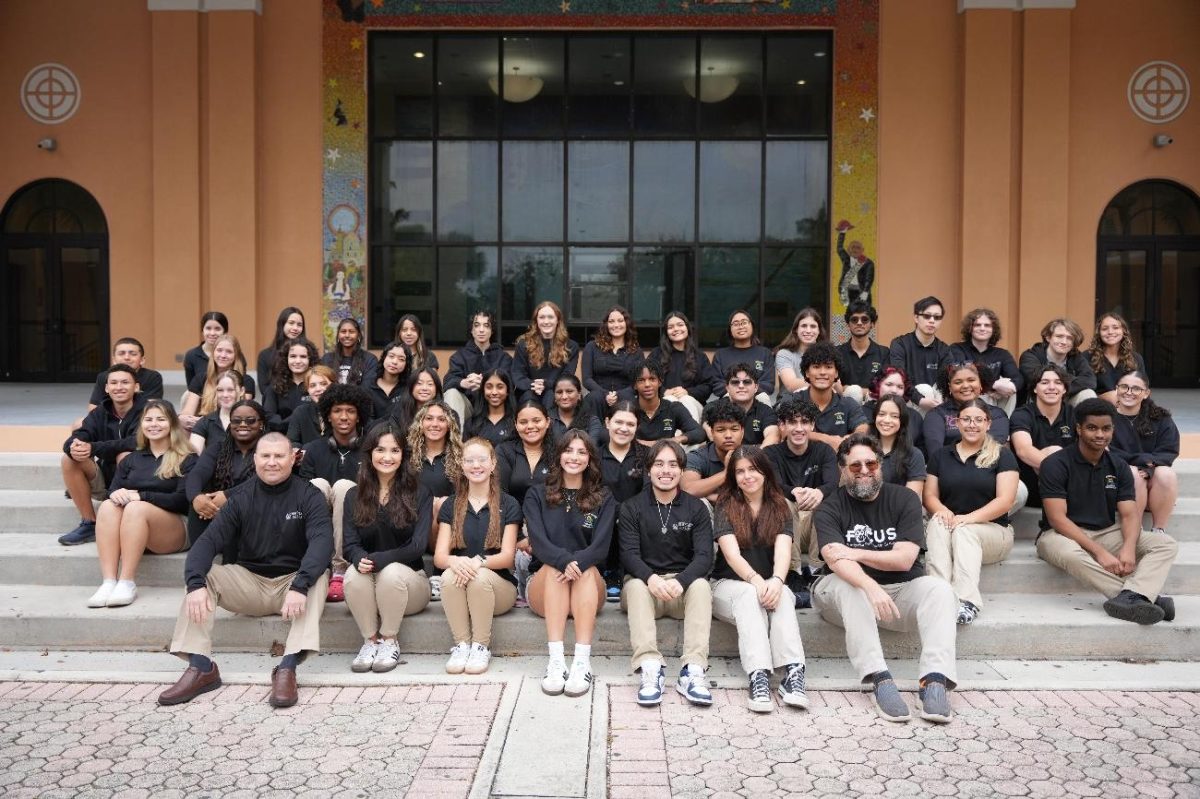

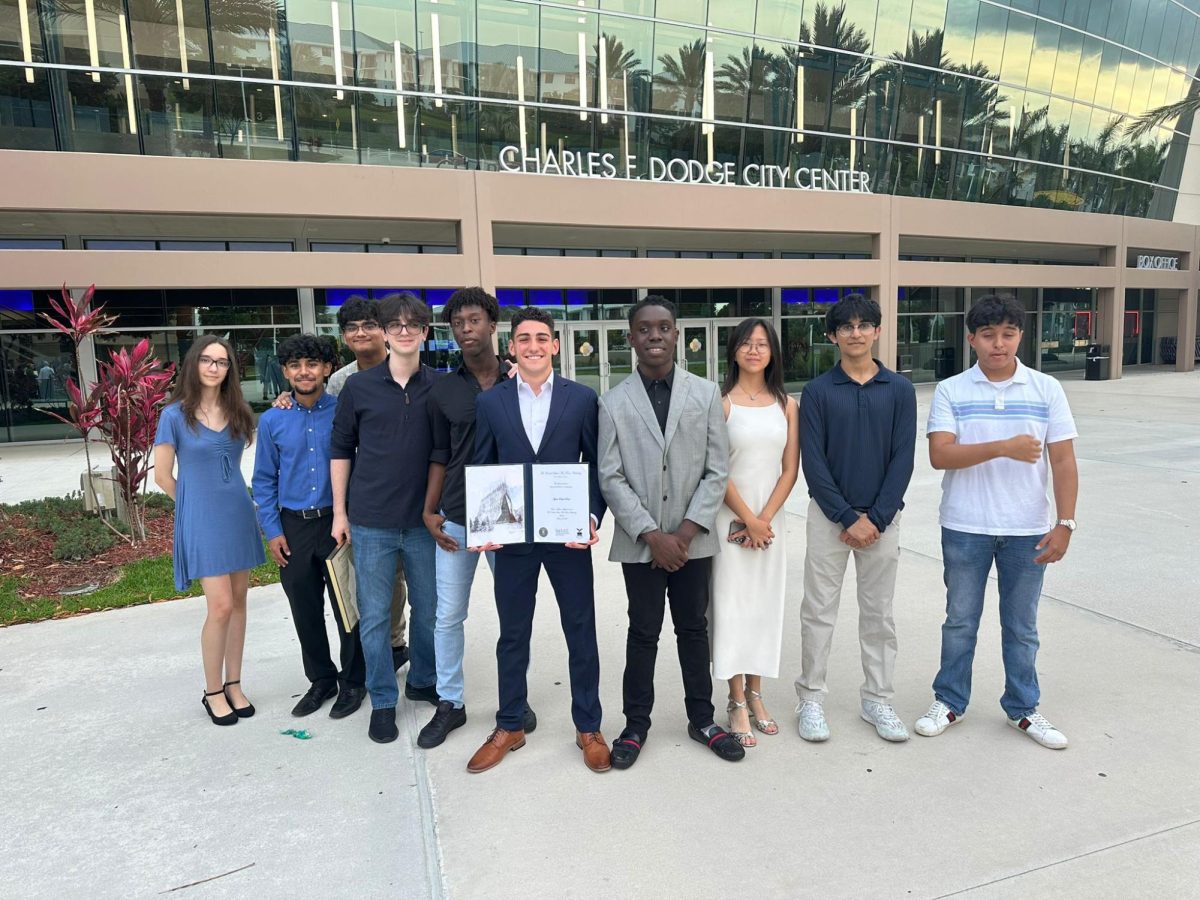
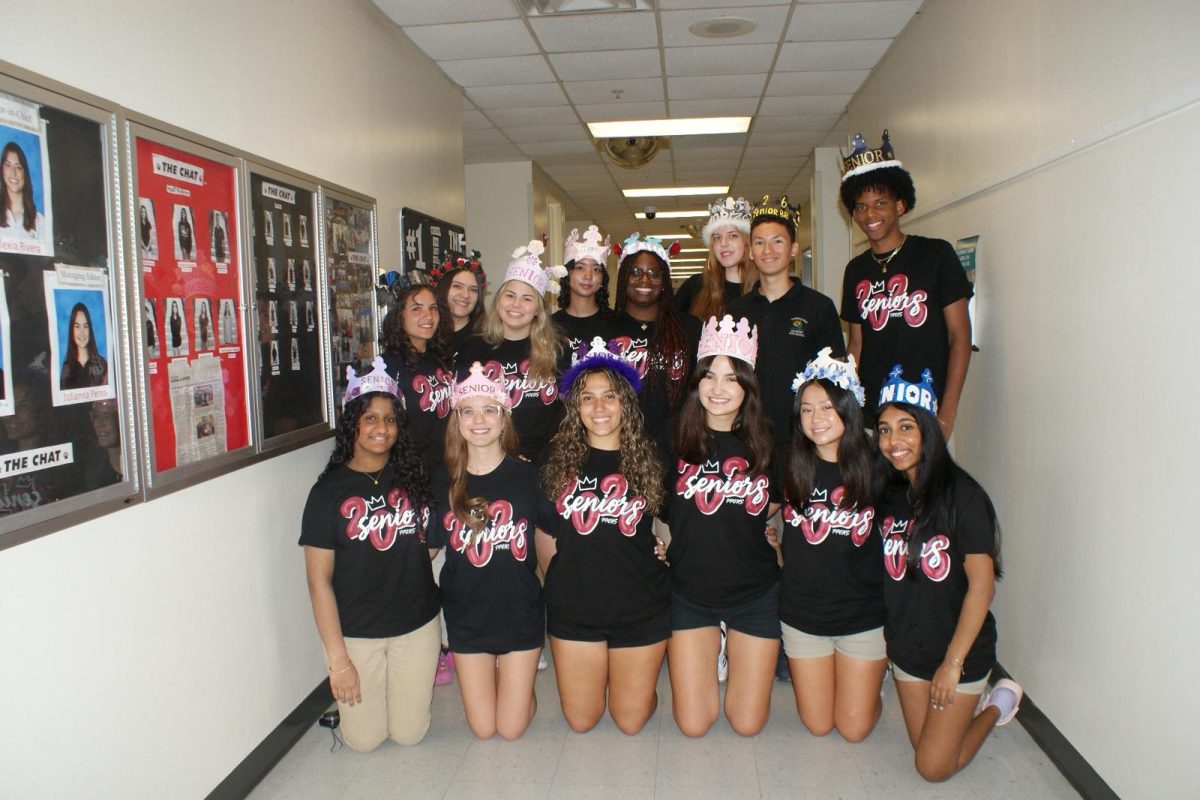
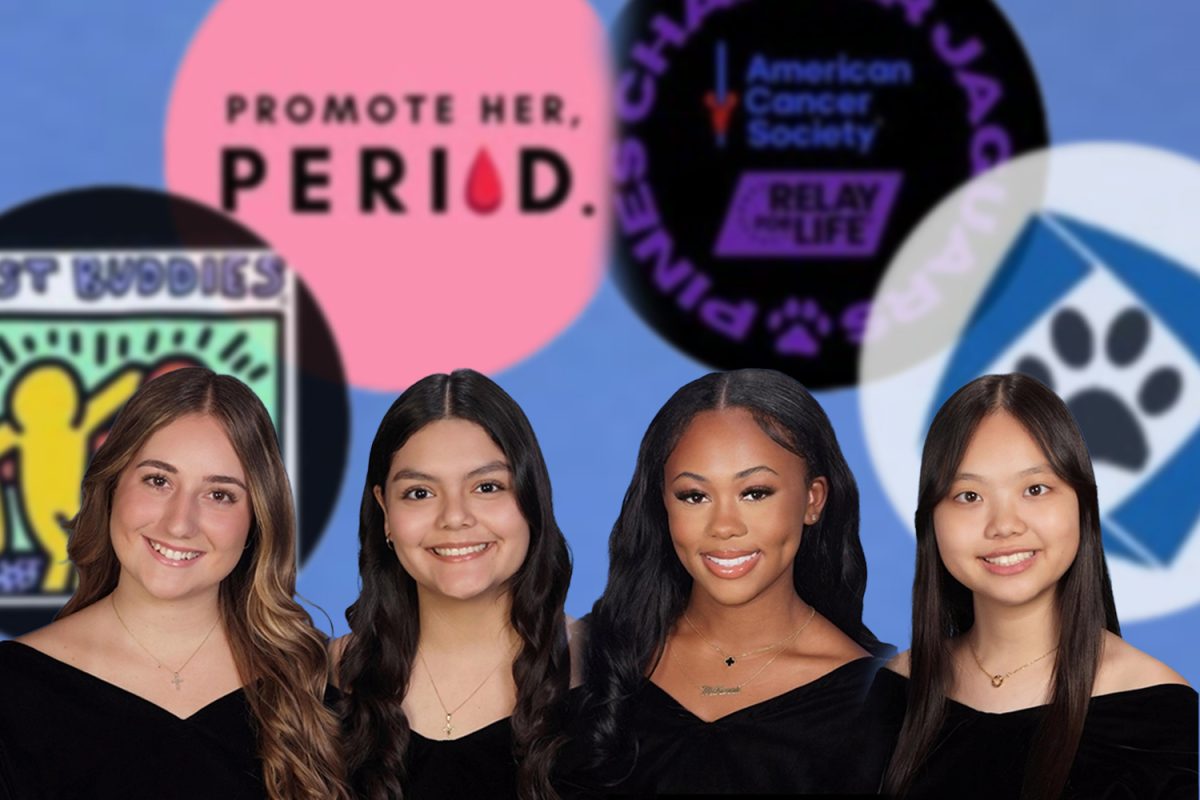

Many students in Florida spend high school working excessively long hours to gain recognition for their work and volunteering. However, recent news reports indicate that the University of South Florida (USF) and the University of Central Florida (UCF) are non-holistic colleges — meaning they do not consider applicants’ extracurriculars — while the University of Florida (UF) and Florida State University (FSU) remain holistic.
The shift to non-holistic universities reinforces the idea that students are seen only as test scores, not as individuals with a backstory. For example, USF claims it isn’t accepting written essays and is only looking for test scores.
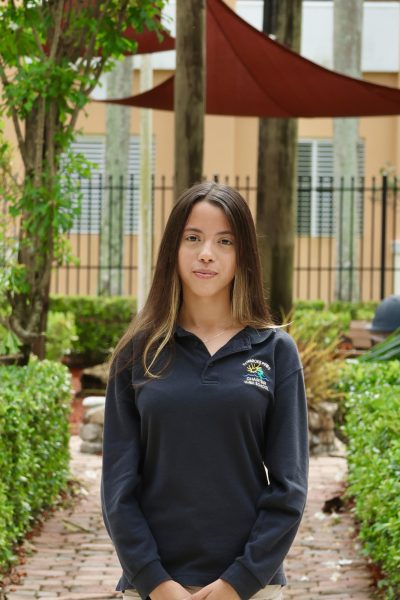
Pembroke Pines Charter High School (PPCHS) junior, Fabrizion Alcazar Fonseca, who is interested in applying to USF, said, “When I visited a college fair, I went straight to USF, all for them to tell me ‘the essay is not needed, and we won’t be looking at it,’” and adds, “It felt unfair, [although] I do well it school, it made me feel as if I were nothing more than a score on a sheet.”
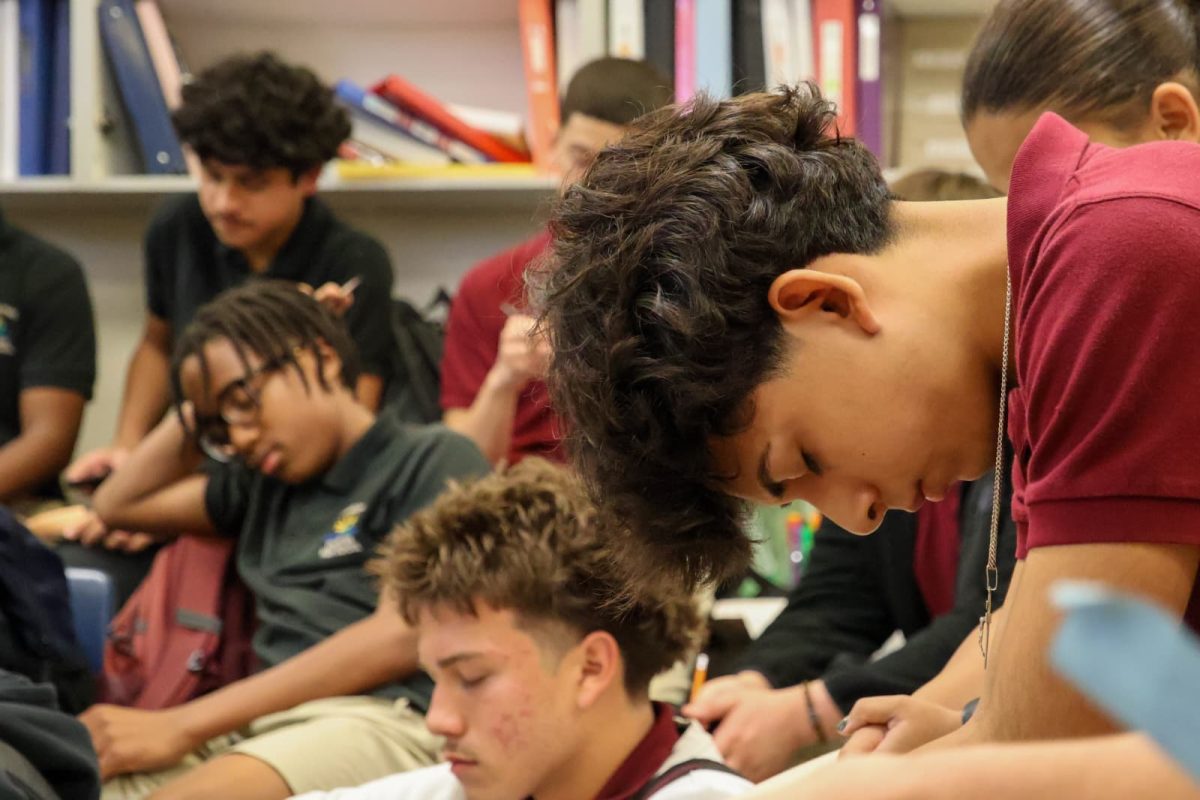
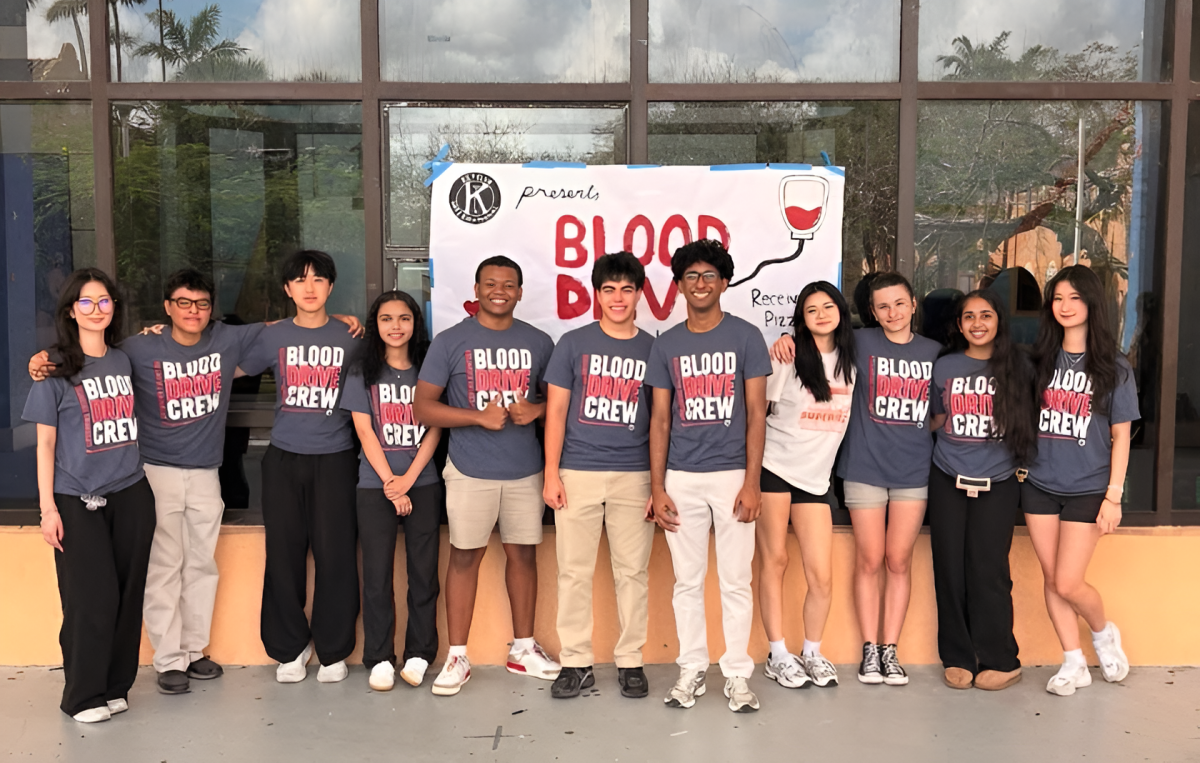
The idea of changing the application process, suggesting that an essay isn’t needed and won’t be reviewed, leaves students with the feeling that they aren’t being valued for the events they’ve participated in. Many students spend most of high school volunteering to earn hours and credibility for their college applications.
Florida universities like UF and FSU focus primarily on extracurriculars and test scores, giving each student greater accountability for their accomplishments. Their holistic process allows students to be evaluated on characteristics, leadership, and impact, not just academic performance.
For students who have overcome personal challenges, cared for siblings, balanced work, or helped support their families, this is often the only place they get to share their story. Non-holistic admissions can unintentionally favor students who come from privilege or perfect testing conditions.
This has raised questions about fairness and equity within Florida’s public university system. Teachers and counselors have also expressed concern that removing essays and extracurricular activities may discourage students from becoming more involved.
If students realize that colleges will not reward leadership or community service. In that case, they may lose motivation to join clubs or volunteer at local organizations. FSU and UF publicly emphasized that they are looking for students who “shape their environment, not just survive in it.”
A more holistic approach inspires students to move beyond the mindset of studies and academics and try to shoot beyond.
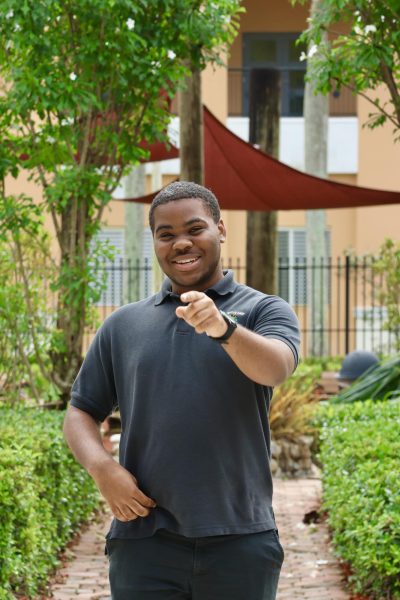
Emily Estevez, a PPCHS junior with over 600 volunteer hours, says, “I’ve helped in countless ways—animal shelters, fundraising, etc.” adding, “and it’s unfair to take away the work we’ve put in.”
The divide between Florida universities, both holistic and non-holistic, has created a new type of stress for students due to their uncertainty. Instead of adjusting to a single application standard, they now have to shape their personalities depending on whether a school values character or data.