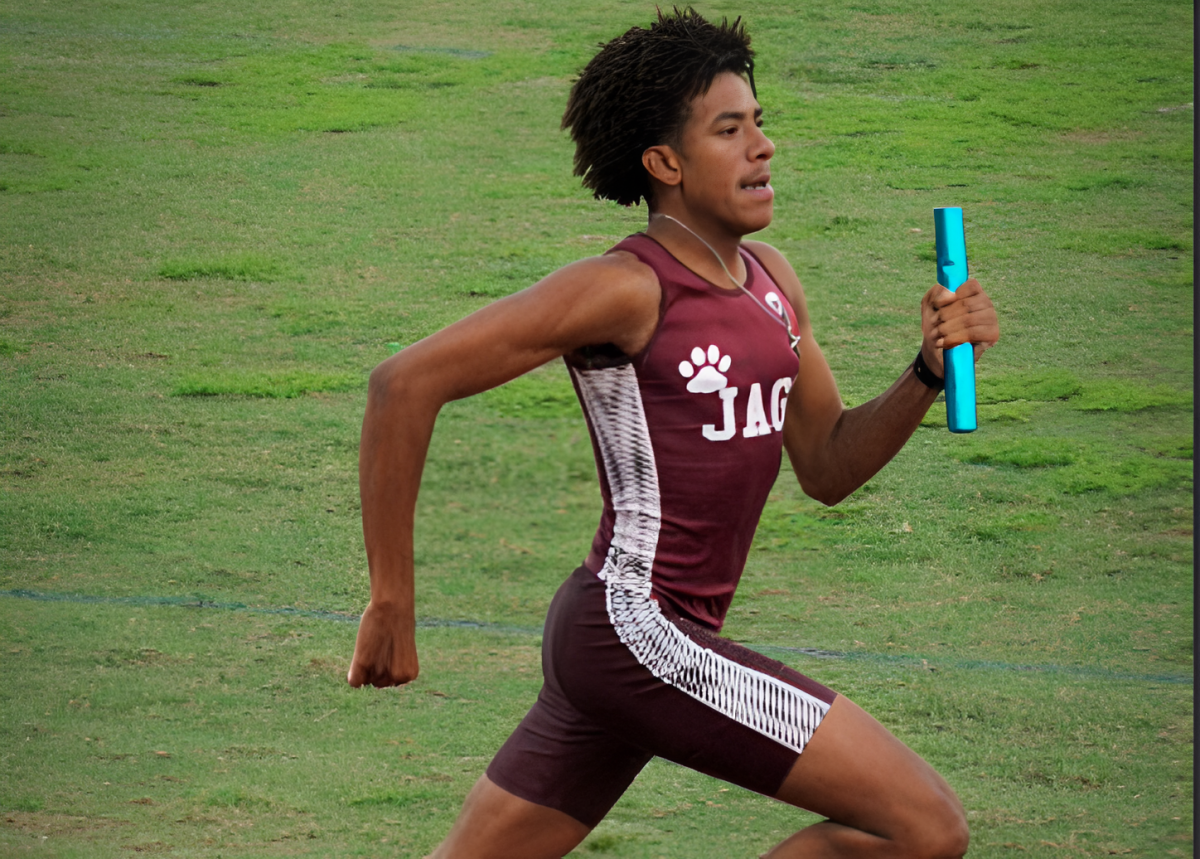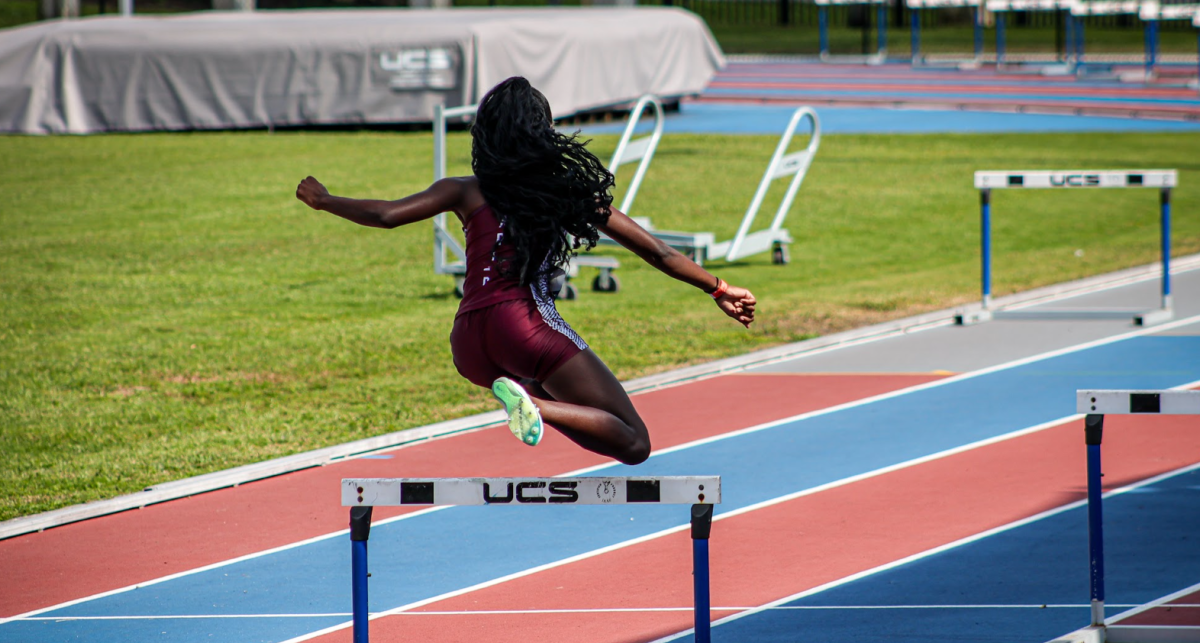


Wake up. School. Practice. Eat. Sleep. Repeat.
That’s the everyday life cycle of a student athlete. But how does that affect a teenager’s physical and mental state? Putting this monotonous cycle into constant daily repetition can have numerous effects on a person’s well-being, especially a hormonal teenager already trying their best to navigate through everyday life.
Student athletes face a multitude of negative mental health effects stemming not only from academic and athletic pressure. The pressure from their sport can lead to depression, anxiety, low self-esteem, and even eating disorders. However, the academic aspect of it is just as bad.
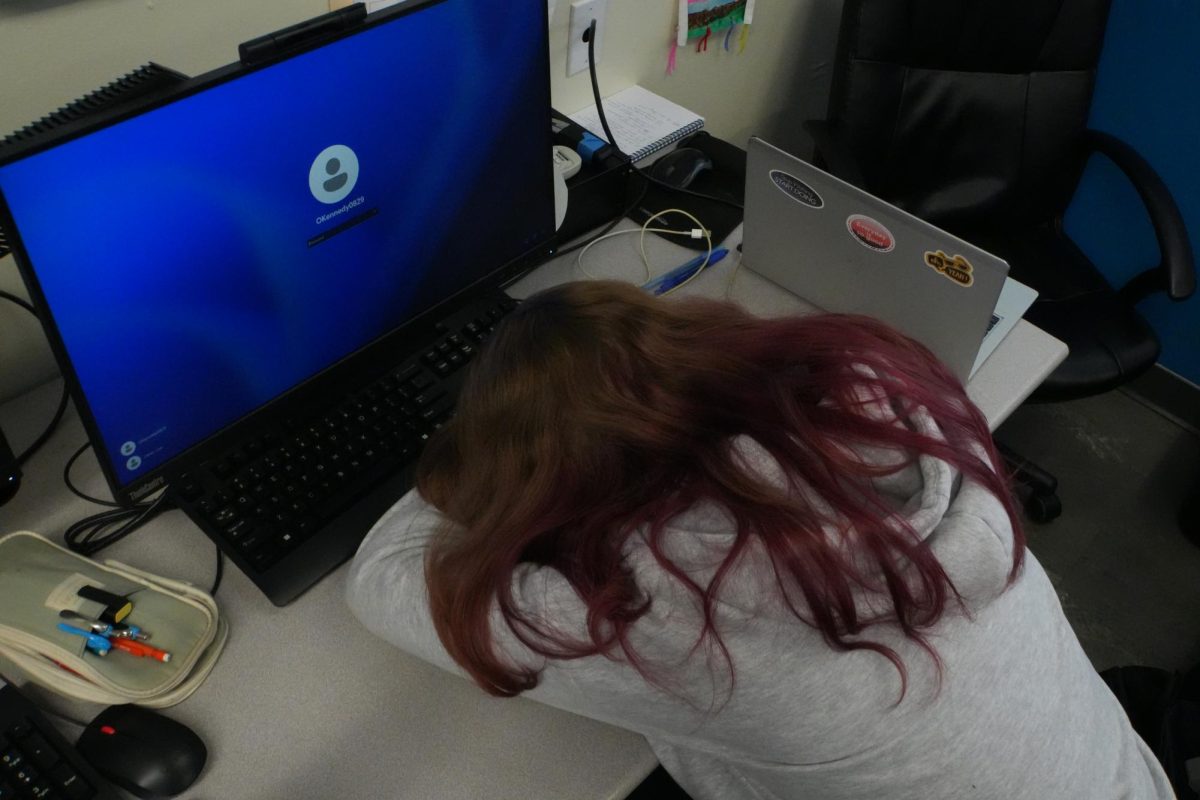
Coming home late after a long practice or game day and having to face piles of homework leaves athletes to face exhaustion, burnout, sleep deprivation, and more. All of which can lead to even more negative mental, physical, and emotional effects down the road.
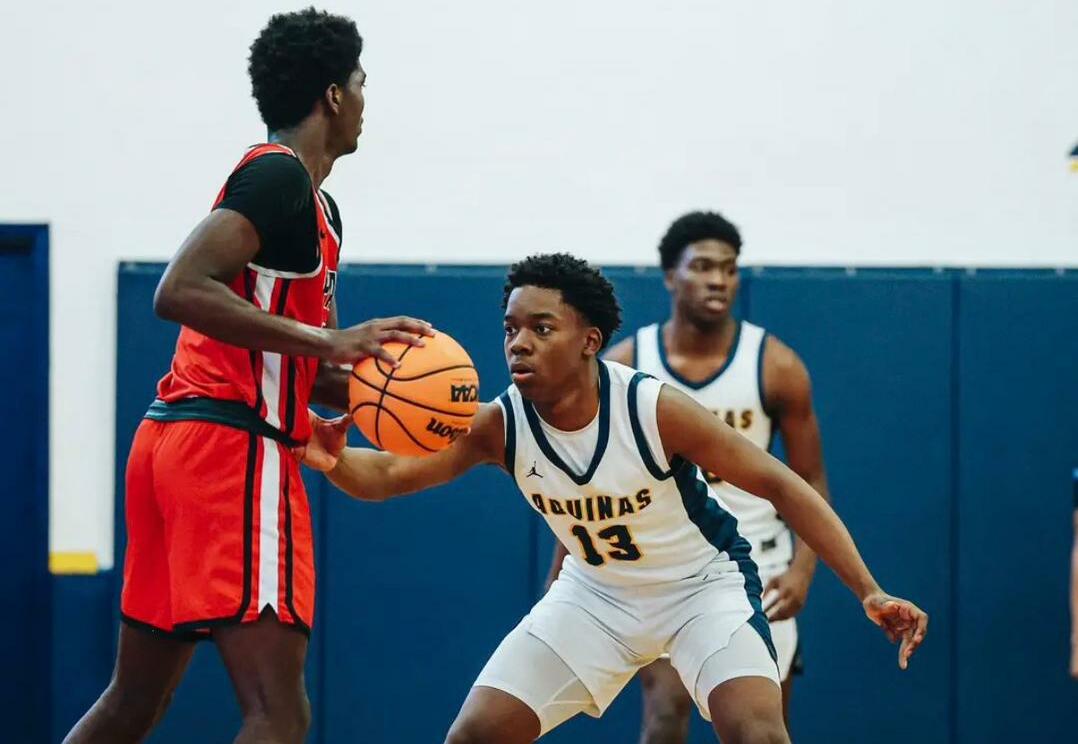
Saint Thomas Aquinas varsity basketball player, sophomore Jordan Marcellus, says, “I feel a lot of pressure playing basketball. When there are games or practices where I don’t perform well, I get it in my head, which affects me emotionally, sometimes even making me cry. Along with the physical aspect of having to practice everyday making my body sore and aching.”
With crowds of people in the audience and all eyes on you every game, sometimes even multiple times a week, the pressure eventually becomes immense, causing some athletes to crumble.
The National Collegiate Athlete Association(NCAA) conducted a study back in 2023 that over 23,000 student-athletes from all three divisions participated. Some results of the study indicated that 45% of women and 30% of men experienced academic worries, 28% of women and 16% of men experienced sleep difficulties, and 33% of women and 17% of men felt mentally exhausted.
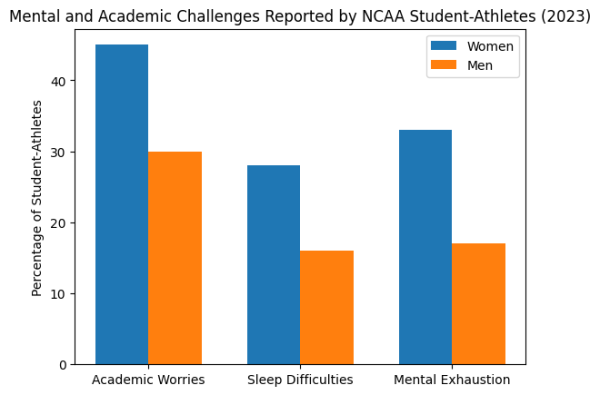
Although the percentages have decreased from previous studies conducted in 2020 and 2021, the numbers are still fairly high.
“I did gymnastics, where perfection is literally the standard, and every body position and movement is judged. Mentally, this led me to feel like I was never good enough, no matter how hard I worked,” says former gymnast Maeghan Jean Louis from Franklin Academy.
“This affected how I viewed myself, because if my body didn’t fit the ‘ideal’ for the sport, it felt like I was failing.”
Even with the long practices and rigorous games, students still have to manage to fit in time for homework, studying, etc. This can make maintaining good grades extremely difficult for most and lead to long nights staying up to finish work, causing a slump in performance not only academically during the school day, but also athletically.
Jean-Louis states, “Academic pressure as a student athlete is a burden like no other. I would come home from school exhausted, train for three and a half hours, and then still have hours of homework to complete. Although it was worth it because I was doing what I loved, the constant pressure often left me feeling overworked and tired.”
Whilst trying to balance classes and schoolwork, many lose sight of the social aspect of just being a teenager. Many student-athletes miss out on opportunities to hang out with their loved ones and create new relationships and connections with different people. This lack of a social life can lead to student athletes feeling lonelier, making it more uncomfortable to speak out and seek help when needed.
These feelings can lead to social withdrawal, causing many to dig themselves deeper into their pit of loneliness, with strained relationships created through depression and constant irritability. This only leads to deeper conflict between loved ones and even an identity crisis, causing athletes to feel worthless.
An estimated 25% of male and 30% of female student athletes report having anxiety, with only 10% of student athletes who have admitted mental health conditions actually going to seek help from a professional, says a statement from the American College of Sports Medicine.
“The hardest part is constantly having to cancel or miss out on plans because my sport always comes first. It’s tough watching friends hang out or do normal things while I’m heading to practice, games, or recovery,” says Junior Destiny Ortega.
“On top of that, I’m often mentally and physically exhausted, but I still have to show up and give my best every day. It can feel draining and isolating at times.”
Although many athletes tend not to speak out about their mental health, in recent years, many public figures and famous athletes have been more open about the topic.
In July of 2021, infamous gymnast Simone Biles took a step back from the sport due to experiencing mental blocks, making it difficult for her to compete without the potential of injury. She’s since spoken out about the need to be a person, her struggles with the pressure of being the face of Team USA, and her sexual abuse from former USA Gymnastics national team doctor Larry Nassar.
Now attending therapy, she actively uses her platform to diminish stigmas surrounding mental health, inspiring athletes around the world to be more open and honest about what they’re going through.
“Back when I started coaching in 2012, it was a bit easier to coach because we weren’t aware of the things student athletes go through. However, now that I’m more aware of the mental issues that kids may have, whether that’s problems at home or anything, that plays a key role in how I coach differently. I may be hard on one athlete and lighter on the other just because I’ve had to understand that everyone is different,” says girls varsity basketball coach, Geoffrey Sprouse.
Although being a student athlete comes with its drawbacks, it also teaches students important lessons that they can continue to use throughout life. It teaches youth collaboration, discipline, and most importantly, how to persevere through whatever challenges are thrown at them.
However, even with these life lessons, it is significant that student-athletes use every moment to maximize their time in order to avoid negative changes within their mental, physical, or emotional state.
Varsity cheerleader, Taiya Wooden, says, “It’s all about balance and setting a routine for yourself. Setting scheduled times of when to do homework and when to do activities outside of school also helps. It’s important to balance school and sports, of course, but taking care of yourself should also be a priority.”